Environment and Climate Change Canada released its summer 2026 seasonal outlook in May projecting above-normal temperatures across most of western Canada – British Columbia, Alberta, and Saskatchewan – and drier-than-normal precipitation for the same region, a forecast pattern that has serious implications for wildfire risk, drought impacts on Prairie agriculture, and water supply for British Columbia’s rivers and reservoirs. The seasonal outlook for central and eastern Canada is more moderate, with Ontario, Quebec, and Atlantic Canada projected to experience temperatures closer to historical norms for the June-August period, though with some probability of extended warm spells associated with the high-pressure blocking pattern that El Nino influence is channeling into North America’s western regions. The forecast reflects the meteorological legacy of the 2025-2026 El Nino event, which influenced global temperature patterns through the winter and spring and whose influence on Canadian summer weather is projected to persist particularly in the western regions where the correlation between El Nino years and warm, dry summers is strongest in historical data.
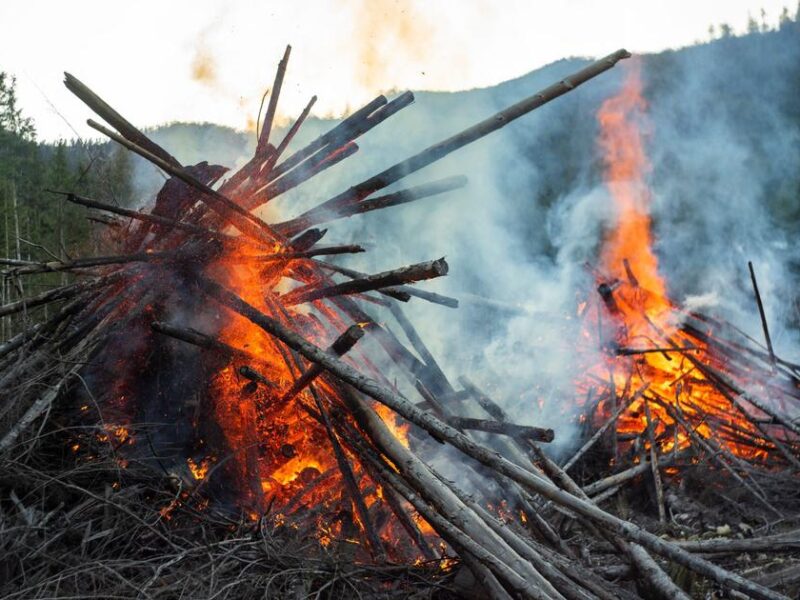
The seasonal outlook’s implications are significant for multiple sectors of Canada’s economy and society. For agriculture, the above-normal temperatures and below-normal precipitation across the Prairie provinces create the conditions for drought stress in spring wheat, canola, and other field crops that are Canada’s most important agricultural exports and whose yields are highly sensitive to moisture availability during the June-July grain-filling period. The Canadian Drought Monitor had already identified areas of moisture deficit in southern Alberta and Saskatchewan as of June 2026, and the seasonal outlook’s confirmation of continued dry conditions increases concern about the 2026 Prairie harvest – with potential implications for global grain markets given Canada’s role as one of the world’s largest wheat and canola exporters. For British Columbia, the combination of above-normal temperatures and below-normal precipitation that the seasonal outlook projects for summer 2026 reinforces the wildfire risk that the active spring fire season has already indicated. The BC Wildfire Service and provincial government entered summer 2026 in a heightened readiness posture, with pre-positioned suppression resources, mutual aid agreements with Alberta, the federal government, and international partners including the United States and Australia, and public communications campaigns about fire prevention and evacuation preparedness that reflect lessons learned from the devastating 2023 season. The ongoing 2026 wildfire activity as of mid-June provides early confirmation of the seasonal outlook’s directional accuracy for BC and Alberta fire conditions.

Trust Post Desk
A journalist and editor at TrustPost.org covering world and national news, technology updates and human-interest stories. They check every fact, interview sources in person or online, and aim to deliver clear, accurate reporting. Their work ranges from breaking news to in-depth features and daily newsletters. Outside the newsroom, they follow emerging trends and engage with readers on social media.