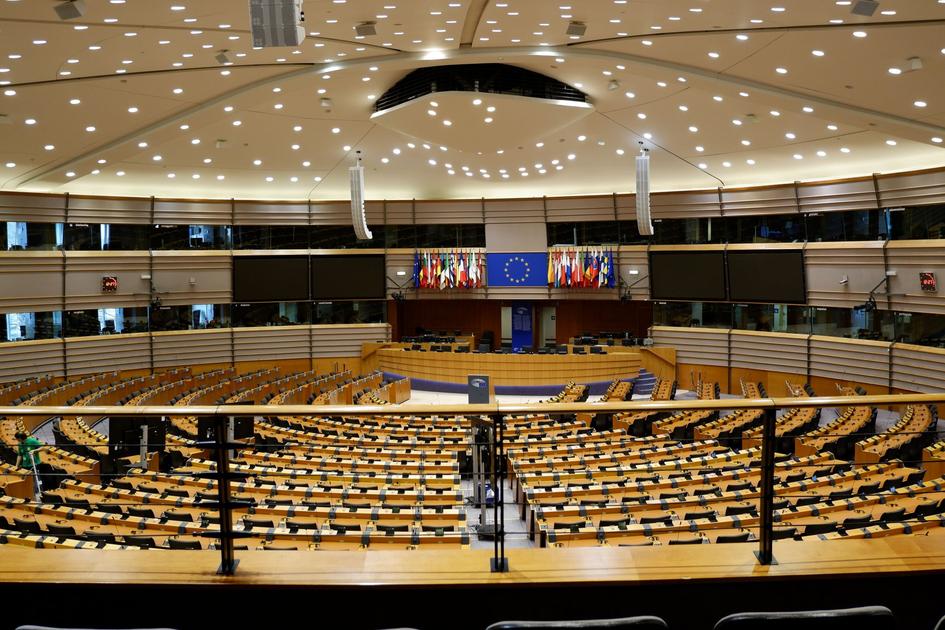
Canadian Prime Minister Mark Carney’s June 13 speech in Brussels, in which he described a “global rupture” in the international economic and political order and called for a Canada-EU partnership to defend democratic values and the rules-based trading system, was received across European capitals as one of the most significant transatlantic diplomatic statements of 2026 – a moment when a leader of a major democratic economy made the case for democratic solidarity in terms that resonated with the European political mainstream’s anxieties about the durability of the post-Cold War order. The speech was delivered at the European Council in Brussels with senior EU officials including Commission President Ursula von der Leyen, Council President Antonio Costa, and multiple EU foreign and finance ministers in attendance, and it was covered extensively in European media as the articulation of a perspective that European leaders largely share but have been reluctant to state as bluntly given the diplomatic constraints of managing their relationships with the United States under a Trump administration that has questioned the value of multilateral alliances and the importance of rules-based trade.
Carney’s European reception in June 2026 built on Canada’s sustained engagement with the European Union through the Canada-EU Comprehensive Economic and Trade Agreement (CETA), which has been in provisional application since 2017 and has increased bilateral trade significantly, and through Canada’s active participation in the Hiroshima AI Process, the Global Partnership on AI, and the Clean Energy Ministerial, all platforms where Canada and the EU share substantive policy interests. For European audiences, Carney’s credibility as a former central banker who served on both the Bank of Canada and Bank of England in senior leadership roles, and who was chairman of the Financial Stability Board during the 2008-2009 global financial crisis, gave his economic diagnoses particular weight. When Carney described the fragmentation of the global trading system as economically costly in quantifiable terms – not merely as a normative concern about the value of rules-based order but as a concrete threat to European and Canadian growth, employment, and investment – he was making arguments that European economists and financial officials have themselves been making in their own institutions and that European governments find it politically useful to have a transatlantic democratic leader articulate forcefully in a public forum. The G7 Evian summit that followed two days later provided Carney the opportunity to translate the bilateral European enthusiasm generated by the Brussels speech into multilateral commitments on the economic security and clean energy agenda items where Canada has been most active.

Trust Post Desk
A journalist and editor at TrustPost.org covering world and national news, technology updates and human-interest stories. They check every fact, interview sources in person or online, and aim to deliver clear, accurate reporting. Their work ranges from breaking news to in-depth features and daily newsletters. Outside the newsroom, they follow emerging trends and engage with readers on social media.