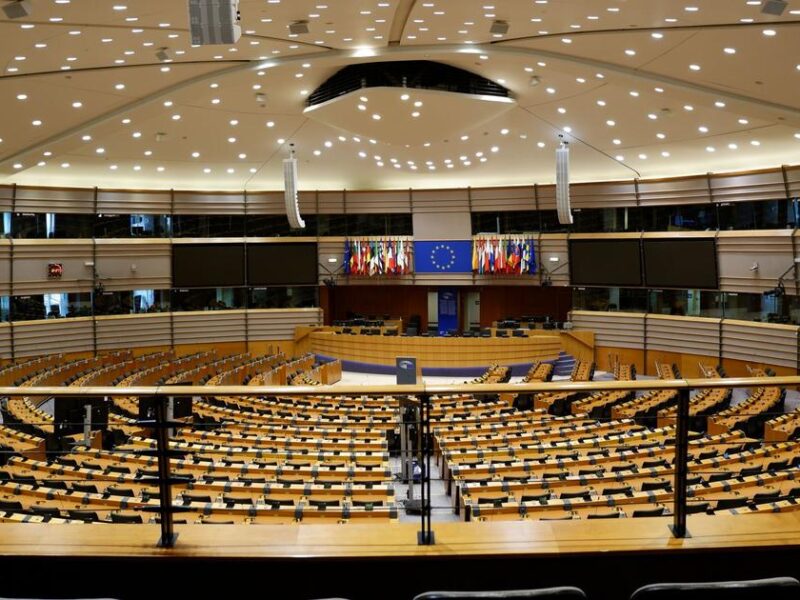
Europe’s energy security transformation, which began as an emergency response to Russia’s weaponization of natural gas supplies following the Ukraine invasion, accelerated in 2026 into a structural reset of the continent’s energy mix driven by both the completed Russian gas displacement and the additional oil price shock delivered by the Iran war’s disruption of Strait of Hormuz shipping. The dual energy shocks of 2022 (Russian gas cutoffs) and 2025-2026 (Iran war oil price increases) have together created the political conditions for energy policy decisions that would have been politically impossible before the first shock: Germany’s reversal of its nuclear phase-out, France’s approval of new nuclear construction, Belgium’s reactor life extensions, European countries’ accelerated LNG import infrastructure buildout, and the offshore wind deployment targets that would have seemed unreachably ambitious to European energy planners as recently as 2021. The result in 2026 is a European energy system that is more expensive than the pre-2022 Russian gas era but significantly more diversified, more domestically controlled, and more resilient to future external energy supply disruptions than any point in the previous three decades.
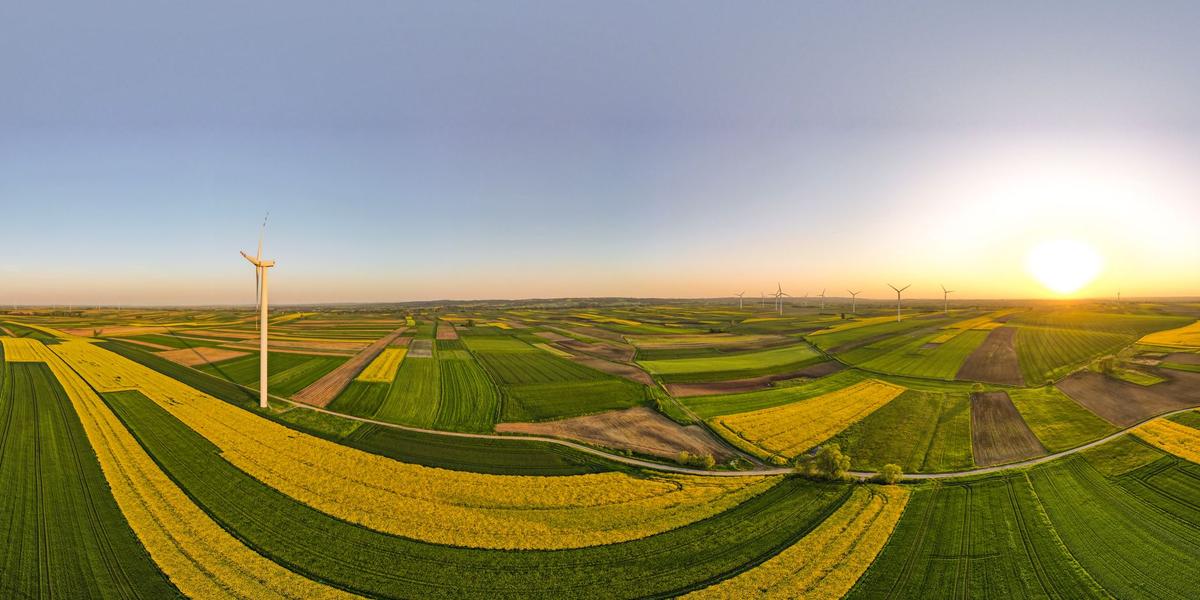
LNG has been the most important bridge fuel in Europe’s energy security transition. Before 2022, Europe imported approximately 40 percent of its natural gas from Russia through pipelines, with Germany particularly dependent on Russian supplies through Nord Stream 1. The rapid construction of floating storage and regasification units (FSRUs) at ports including Wilhelmshaven, Lubmin, and Brunsbüttel in Germany, Eemshaven in the Netherlands, and sites in Italy, Finland, and Estonia, created the physical infrastructure to receive LNG from the United States, Norway, Qatar, and Australia within a period of 18-24 months – an infrastructure development speed that surprised analysts who had projected multi-year timelines for European LNG import capacity expansion. By 2026, European LNG import capacity significantly exceeds current import volumes, providing a comfortable margin that allows European buyers to negotiate commercially rather than in desperation. Renewable energy has been the fastest-growing component of Europe’s energy mix, with solar installations in 2025 and 2026 breaking all previous records as falling panel costs combined with accelerated permitting processes produce year-on-year deployment that is reducing the share of fossil fuel generation in European electricity systems. The nuclear extensions across Germany, France, and Belgium provide the reliable baseload that European grid operators need to integrate large amounts of intermittent wind and solar capacity without sacrificing system stability.

Trust Post Desk
A journalist and editor at TrustPost.org covering world and national news, technology updates and human-interest stories. They check every fact, interview sources in person or online, and aim to deliver clear, accurate reporting. Their work ranges from breaking news to in-depth features and daily newsletters. Outside the newsroom, they follow emerging trends and engage with readers on social media.