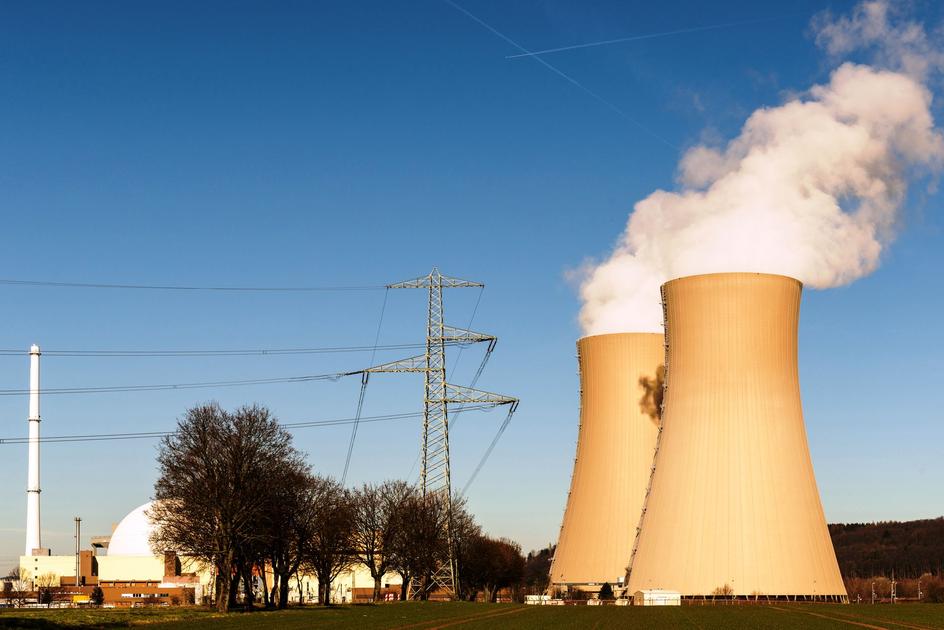
Germany’s government approved the extension of its three remaining operational nuclear power plants in 2026, completing a reversal of the nuclear phase-out policy that had been the defining feature of German energy politics since the Energiewende legislation of 2011 – which itself accelerated the phase-out timeline following the Fukushima Daiichi disaster in Japan. The reversal, which had been politically unthinkable as recently as 2021 when the Social Democrats and Greens governed with the FDP on a platform that included completing the phase-out, became achievable under Friedrich Merz’s CDU-led coalition that entered office without the Greens and that inherited a dramatically changed European energy security environment following Russia’s weaponization of natural gas supplies to Germany. The three plants – Isar 2, Neckarwestheim 2, and Emsland – which the previous government had extended temporarily through April 2023 before finally shutting down, were approved for additional operation under safety assessments conducted by Germany’s nuclear regulator that confirmed the plants’ continued safe operability with targeted investment in maintenance and updated safety systems.
France’s nuclear extension policy in 2026 reflects a different political trajectory but reaches similar practical conclusions about nuclear energy’s role in European energy security. France has been the most nuclear-dependent major economy in Europe – historically generating 70-80 percent of its electricity from 56 operating reactors – and President Macron’s decision to extend the operational life of aging reactors beyond their original 40-year design life, while approving the construction of six new EPR-2 generation reactors, represented a continuity of France’s nuclear commitment rather than a policy reversal. The European dimension of the nuclear extension wave in 2026 encompasses Belgium extending its two Doel reactors past their planned closure dates, the Netherlands beginning licensing for two new reactors alongside its existing Borssele plant, Finland celebrating the commissioning of its Olkiluoto-3 EPR, and Sweden lifting its moratorium on new nuclear construction. The cumulative effect of these national decisions is a European nuclear renaissance driven not by enthusiasm for nuclear power as such but by the cold calculation that energy security in an era of Russian gas cutoffs, Iran war oil price shocks, and intermittent renewable energy requires reliable baseload generation that currently only nuclear and fossil fuels can provide at the necessary scale. The German defense budget’s parallel growth reflects the same underlying shift in European security assessment that is driving the nuclear extensions.

Trust Post Desk
A journalist and editor at TrustPost.org covering world and national news, technology updates and human-interest stories. They check every fact, interview sources in person or online, and aim to deliver clear, accurate reporting. Their work ranges from breaking news to in-depth features and daily newsletters. Outside the newsroom, they follow emerging trends and engage with readers on social media.