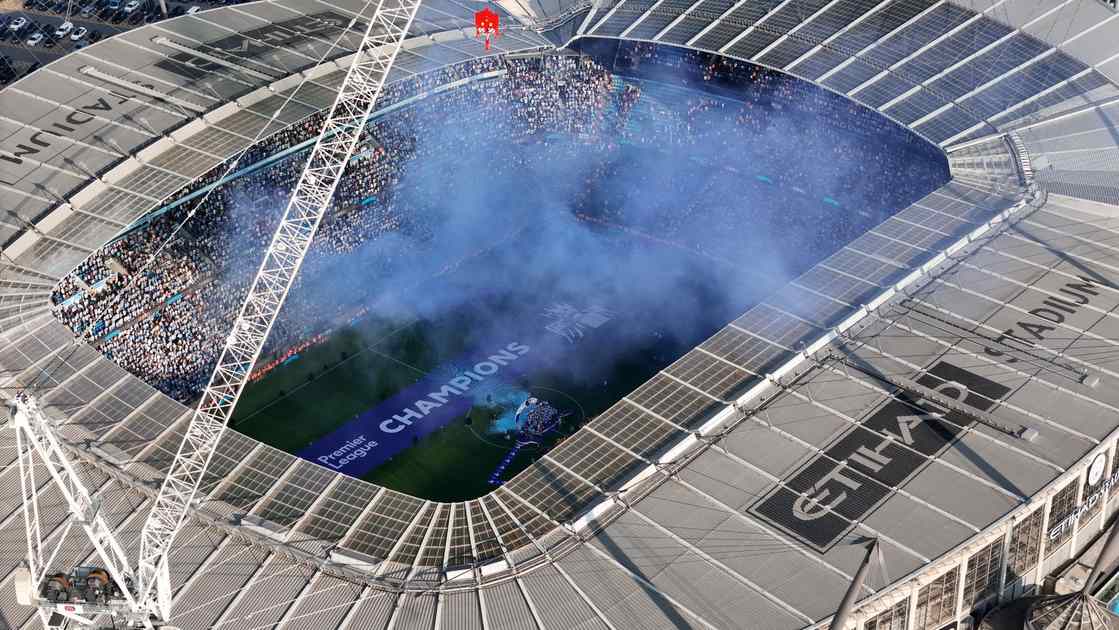
The UEFA Champions League Final on June 28 at the Allianz Arena in Munich will pit Arsenal Football Club against Paris Saint-Germain in a fixture that has generated more pre-match analysis and interest than any European Cup final in at least a decade. The contest carries multiple compelling narratives: Arsenal’s first Champions League final appearance since the heartbreaking defeat to Barcelona in 2006, the continued evolution of PSG from a project built around collecting individual superstars into a genuine collective powerhouse under Luis Enrique, the question of whether English football’s domestic dominance can translate into European glory, and the individual battle between some of the world’s most exciting attacking players on either side. Two weeks of build-up have not exhausted the conversation about what promises to be one of the most watched sporting events of 2026.
Arsenal’s route to Munich has featured one of the most impressive knockout round performances the club has ever produced in European competition. The Gunners eliminated the holders in the Round of 16, brushed aside a strong German opponent in the quarter-finals, and then produced a two-legged semi-final performance that will be remembered as one of the finest tactical displays of Mikel Arteta’s managerial career. Conceding just three goals in seven Champions League knockout matches, Arsenal have demonstrated that their domestic defensive excellence is not a product of Premier League conditions but reflects genuine structural and tactical quality that has transferred fully to European competition. It is the combination of this defensive solidity with the explosive offensive capability of Bukayo Saka, Leandro Trossard and Gabriel Martinelli that has made Arsenal’s campaign so impressive to observe.
PSG: The Luis Enrique Transformation
Paris Saint-Germain’s appearance in this final represents the culmination of a transformation that began when Luis Enrique replaced Christophe Galtier in the summer of 2023. The PSG that Enrique inherited was a collection of individual superstars that had won multiple Ligue 1 titles with ease but had consistently underperformed in the Champions League knockout rounds in ways that analysts attributed to the absence of the collective identity and defensive work rate that successful European campaigns require. Enrique’s solution was radical and initially controversial: reduce the squad’s dependence on individual star quality, invest in younger and more physically dynamic players who bought into a collective pressing system, and sacrifice short-term squad harmony for long-term tactical cohesion. The strategy required patience, produced tension and generated significant criticism in its first season. Its validation arrived in the semi-final, where PSG’s collective pressing system dismantled one of the Champions League’s most respected defensive organisations across 90 minutes in a way that looked less like a football match and more like an argument being decisively won.
- PSG have scored 27 goals in their seven Champions League knockout matches this season, the highest total any team has recorded in a single knockout campaign in the tournament‘s modern history.
- Their pressing metrics (PPDA – passes allowed per defensive action) of 5.8 across the knockout rounds is the best recorded in the tournament this season, well ahead of the next best team’s 7.2.
- Ousmane Dembele has been the most productive attacker in the Champions League this season with 11 goals and 8 assists across all knockout matches.
- PSG’s centre-back partnership of Marquinhos and Willian Pacho has been arguably the best in the tournament, combining experience with pace and aerial dominance.
Tactical Preview: The Key Battle
The tactical battle in Munich will centre on one fundamental question: can Arsenal’s defensive system – so effective at limiting the space and time that opposition attackers receive throughout the season – function against PSG’s collective pressing and the pace of their wide players in ways that it has managed against every Premier League and Champions League opponent they have faced this season? Arsenal’s defensive shape relies on high lines, coordinated pressing triggers and the ability of David Raya to act as an eleventh outfield player when the team plays out from the back. PSG’s game plan will almost certainly involve pressing those build-up attempts aggressively, looking to win the ball high up the pitch and transition quickly before Arsenal can reset their shape.
Arsenal’s tactical response will likely involve a willingness to be more direct than in their regular approach when PSG’s press is high, using the aerial quality of Gabriel Jesus and Gabriel Martinelli’s pace on the shoulder of PSG’s defensive line to bypass the press rather than playing through it. Arteta has shown throughout this season the ability to adapt his team’s approach to the specific threats of individual opponents, and his preparation for Munich will have been as detailed and intensive as anything his analytical staff can produce. The two weeks between Arsenal’s Premier League title confirmation and the Champions League final have given him exactly the preparation time that is most valuable for a final of this importance.
Key Players to Watch
The individual matchups that could determine the final are scattered across every area of the pitch. Bukayo Saka against PSG’s left back will be the most watched one-on-one duel in the final – Saka’s combination of technical quality, physical resilience and end-product puts him among the most dangerous wide attackers in world football, and PSG’s ability to contain him while also managing the threat of Martinelli on the opposite side will require sustained defensive concentration throughout the match. Ousmane Dembele’s ability to replicate his exceptional knockout round form against Arsenal’s right back and the covering positioning of Arsenal’s midfield will be equally important on the other flank.
In midfield, Martin Odegaard’s ability to find space and time between PSG’s pressing lines will determine whether Arsenal can build from the back with the fluency that characterises their best performances. If Odegaard finds that space regularly, Arsenal’s possession-based attack can function as it has all season. If PSG’s press can isolate him effectively, Arsenal will need to rely more on the direct approach and on the defensive organisation that has kept them in matches even when their possession game has been disrupted. The outcome of that central midfield battle may well determine which team lifts the trophy in Munich on June 28.
Prediction and Final Thoughts
The betting markets have PSG as slight favourites at approximately 11/10, with Arsenal at 9/5 and the draw at 9/4. The slight edge to PSG reflects their superiority in several of the most important metrics across the knockout rounds – goals scored, chances created, pressing intensity – and the historical pattern in which the more technically sophisticated continental side tends to hold an advantage over English clubs in finals played in neutral venues.
But Arsenal’s defensive record, their mental strength demonstrated throughout a season of sustained pressure, and the quality of their coaching staff’s tactical preparation provides a genuine basis for an alternative outcome. If Arsenal can manage the first 20 minutes – the period in which PSG’s pressing intensity is typically highest and most disruptive – and establish physical and positional control of midfield that has defined their best performances this season, they have the quality to win. The final is genuinely too close to predict with confidence, which may be the best indicator of how compelling the match promises to be for anyone watching in Munich or on screens across the world.

Trust Post Desk
A journalist and editor at TrustPost.org covering world and national news, technology updates and human-interest stories. They check every fact, interview sources in person or online, and aim to deliver clear, accurate reporting. Their work ranges from breaking news to in-depth features and daily newsletters. Outside the newsroom, they follow emerging trends and engage with readers on social media.