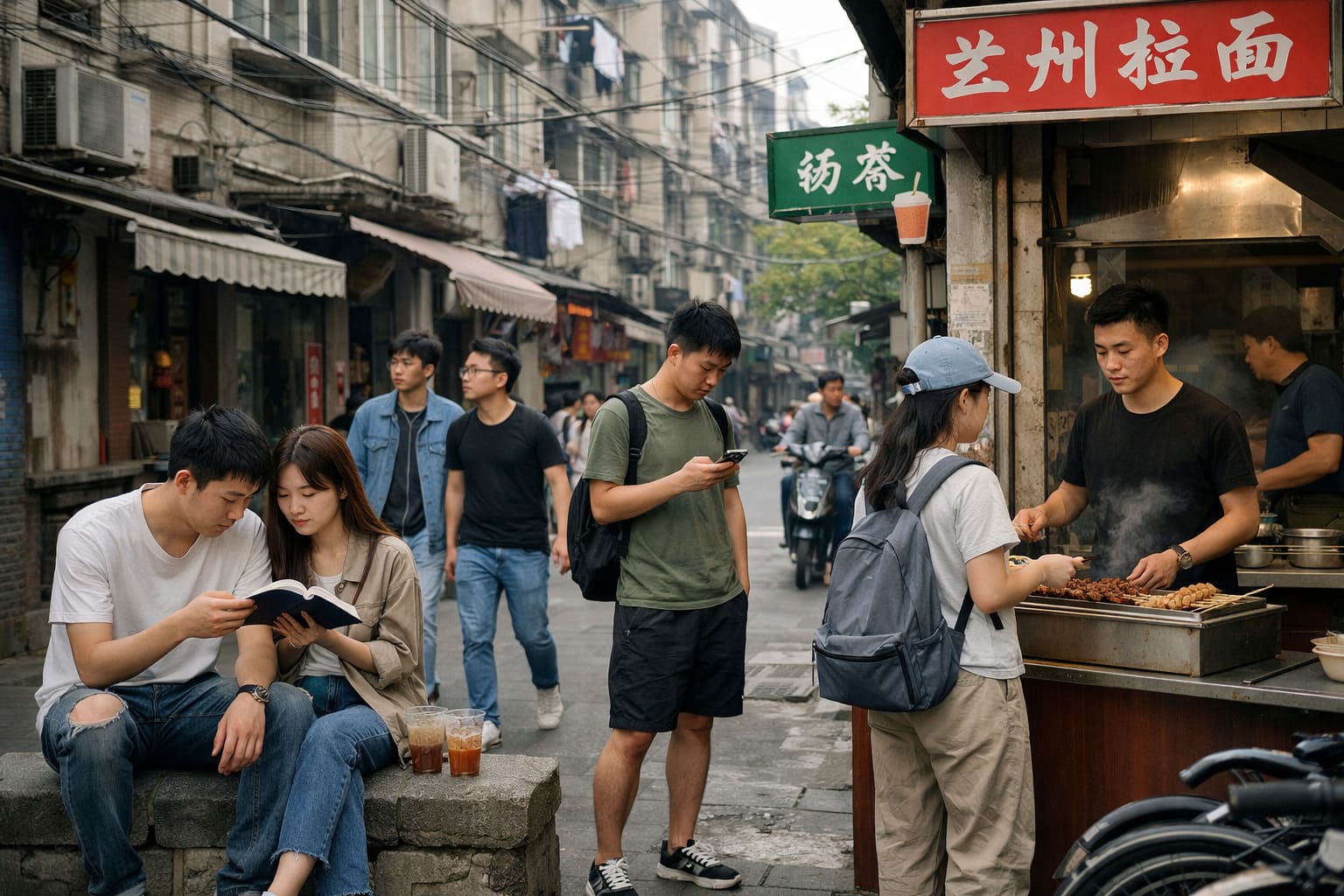
Sexual attitudes in China are shifting. Young people today are more open about sex than earlier generations, and traditional norms are loosening in many
cities. But recent research shows that this growing openness isn’t experienced the same way by everyone. In particular, men and women are experiencing these
For more context, see our coverage of Social Media Trends 2026.
changes differently, and that gap highlights broader social patterns that are still shaping life in modern China.
Studies of sexual behaviour and attitudes in China show a noticeable trend: younger generations tend to be more accepting of casual sex, premarital relationships,
and a wider range of sexual practices than older generations. Increased exposure to global media, greater access to information online, and changing social expectations
For more context, see our coverage of Space Exploration Milestones 2026.
have all played a role.
In urban areas, conversations about sex are more public than they used to be, and there is less stigma attached to topics that were
once almost taboo. In many cities, discussions about dating, sexual pleasure, and personal preferences are becoming part of everyday life.
For more context, see our coverage of Remote Work Trends 2026.
This shift is visible on social media, in popular culture, and in how people talk about relationships with friends.
Sexual Attitudes Are Changing, Especially Among Young People
Research suggests that men are gaining more freedom and social acceptance from this shift than women. Surveys of attitudes toward casual sex, for example,
show that men are more likely than women to say they approve of it and to report that they have engaged in it.
Some of this reflects global trends, but in China it is also shaped by historical and cultural norms that have long treated male and
female sexuality differently.
In traditional Chinese society, attitudes toward male sexuality have generally been more permissive, while female sexuality has been more tightly bounded by expectations about
chastity, marriage, and family responsibility. Even as norms loosen, some of these old expectations still influence how men and women think about sex, reputation,
and personal behaviour.
Where people live matters. In big cities like Beijing, Shanghai, and Guangzhou, sexual attitudes tend to be more liberal.
Young professionals in these cities are more likely to say they support gender equality in sexual relationships, respect diverse sexual identities, and value personal
choice in matters of intimacy.
Men Benefit More From These Changes
In contrast, rural areas and smaller towns often retain more traditional views. There is still strong pressure to conform to conservative ideals about relationships,
marriage, and child-rearing. That means that even as national trends point toward greater openness, the experience of that change varies widely across the country.
Part of the shift in attitudes comes from greater access to education and information. University students and young professionals often have more exposure to
ideas about gender equality and sexual rights. They are more likely to question old norms and to feel comfortable discussing sex with peers or
online.
At the same time, the internet plays a big role. Dating apps, discussion forums, and social media platforms give young people spaces to talk
about sex in ways that were impossible a generation ago. These platforms allow people to explore identities and preferences more openly, and to connect
with others who share similar views.
Urban vs Rural Differences
Even with rising openness, women in China often face a double standard when it comes to sex.
While men’s sexual behaviour may be viewed as normal or even expected, women can be judged more harshly for the same actions.
For example, casual relationships might be socially accepted for men but still carry a stigma for women, especially outside big cities.
This double standard is rooted in longstanding cultural values that have tied women’s sexuality to family roles and reputation.
While younger generations often reject these ideas, the legacy of those norms still shapes social expectations and personal judgement.
China’s sexual culture is evolving, and the changes are more visible among younger and urban populations. But the benefits of liberal attitudes are not
shared equally. Men tend to reap the rewards of greater openness more easily, while women still confront social barriers and judgement.
Education and Access to Information Make a Difference
Understanding this gap is important for anyone looking at modern Chinese society. It shows how deep cultural expectations can persist even as norms change,
and how personal freedom in matters of sex and relationships is still shaped by gender.
As China continues to modernize and interact with global cultural trends, these conversations will only grow louder and broader.
How society balances new ideas about sexual freedom with old expectations about gender roles remains one of the key cultural questions of the moment.
Also read:
Women Still Face Double Standards
Sources and Further Reading
Learn more at TechCrunch.
Learn more at The Verge.
Learn more at Wired.
Related Articles

Trust Post Desk
A journalist and editor at TrustPost.org covering world and national news, technology updates and human-interest stories. They check every fact, interview sources in person or online, and aim to deliver clear, accurate reporting. Their work ranges from breaking news to in-depth features and daily newsletters. Outside the newsroom, they follow emerging trends and engage with readers on social media.