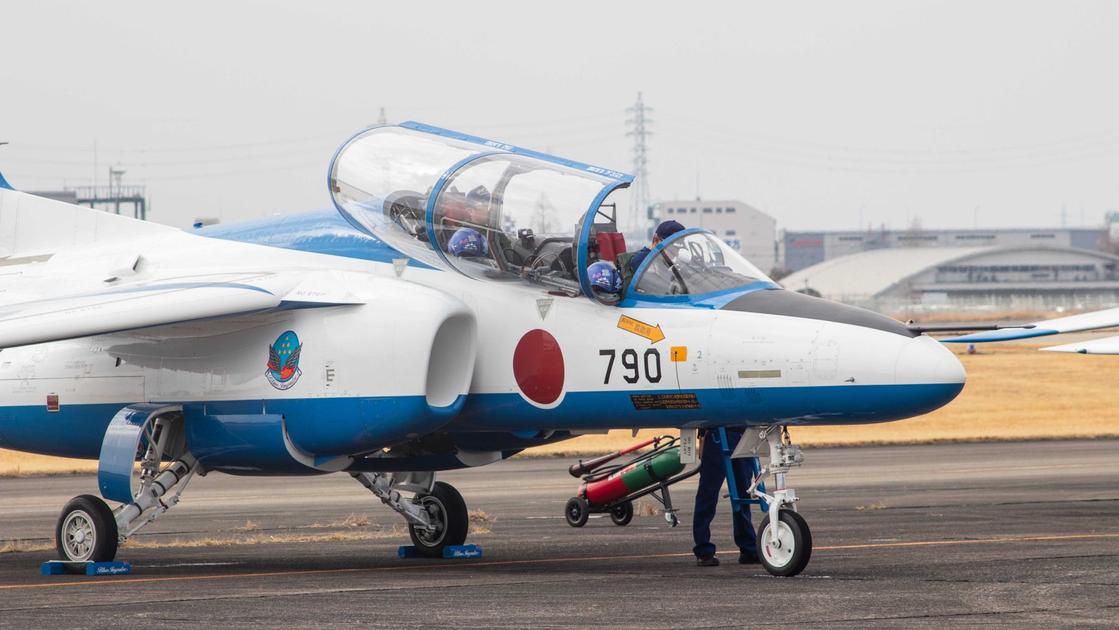
Japan’s Cabinet approved a record defense budget of approximately $58 billion for Japanese Fiscal Year 2026, representing an increase of roughly 3.8 percent from the previous fiscal year and marking the 14th consecutive year in which Japan’s defense spending has increased – a streak that began with the Abe government’s 2012 decision to reverse decades of post-war defense budget stagnation. The budget reflects Japan’s continued implementation of the National Security Strategy adopted in December 2022, which committed Japan to doubling its defense spending as a share of GDP to approximately 2 percent by 2027 – a dramatic reversal of the 1 percent GDP guideline that had governed Japanese defense budgeting for nearly five decades and represented a post-war consensus about the limits of militarization appropriate for a country with a war-renouncing Constitution.
Japan’s defense budget trajectory has been driven by a convergence of security threats and alliance pressures. North Korea’s accelerating ballistic missile and nuclear programs create a direct threat requiring Japan to either develop independent countermeasures or accept greater dependence on US protection than Tokyo’s strategic planners consider prudent. China’s military modernization, including anti-access/area denial capabilities that could complicate US military intervention in a Taiwan Strait contingency, challenges the regional military balance. Alongside the budget increase, Japan’s defense export policy has undergone parallel transformation – from among the world’s most restrictive to an increasingly active international supplier, with the 2026 reform dividing transfers into weapons and non-weapons categories and giving the National Security Council a central approval role for significant exports. Australian interest in Japanese maritime systems, potential sales to NATO allies of Japanese missile components, and the unprecedented demand created by the NATO rearmament surge make 2026 a strategically important moment for Japan’s defense industry to accelerate its international expansion.

Trust Post Desk
A journalist and editor at TrustPost.org covering world and national news, technology updates and human-interest stories. They check every fact, interview sources in person or online, and aim to deliver clear, accurate reporting. Their work ranges from breaking news to in-depth features and daily newsletters. Outside the newsroom, they follow emerging trends and engage with readers on social media.