A new startup named Uare.ai is pioneering a shift in artificial intelligence, enabling individuals to train and own AI models based on their unique expertise, rather than relying on services controlled by major technology companies. This approach aims to transform personal knowledge into scalable, monetizable enterprise assets, fundamentally altering how expertise is valued and distributed in the digital economy.
The platform allows professionals to capture their distinct communication style, specialized knowledge, and decision-making patterns within a secure digital twin. This Individual AI can then be licensed or subscribed to by businesses, offering a scalable solution for knowledge transfer, training, and personalized interaction that was previously limited by human availability.
Uare.ai’s Human Life Model and Core Functionality
Uare.ai, founded in 2023 by Rob LoCascio, former CEO of LivePerson, is betting on a future where personal AI ownership is central. The company’s core technology, dubbed the Human Life Model, is designed to encapsulate a creator’s unique professional expertise, communication style, and life experiences.
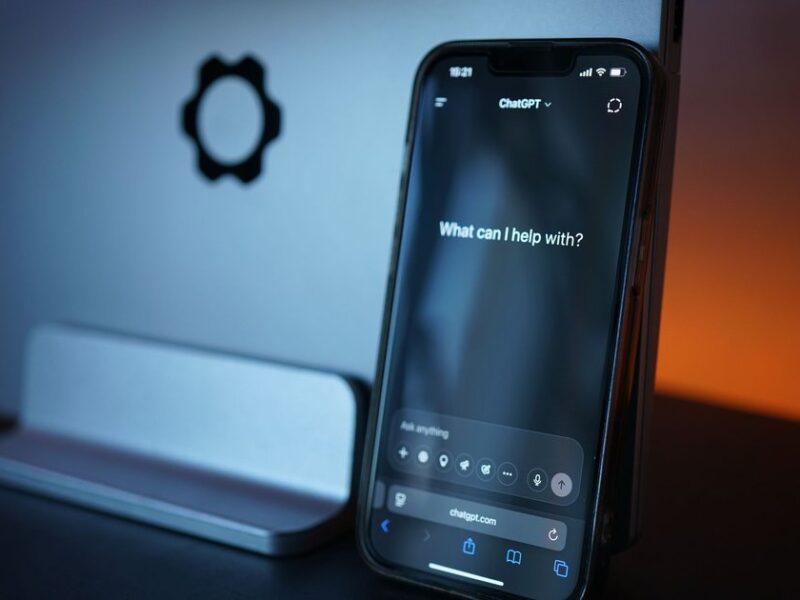
Unlike general-purpose consumer AI assistants such as ChatGPT or Claude, which are trained on vast, broad public datasets, Uare.ai’s Individual AIs are strictly containerized. They learn exclusively from the documents, videos, voice memos, and notes provided by the user, ensuring a secure and authentic digital representation.
The goal is for these Individual AIs to respond and reason precisely as the human expert would, allowing for the automation of workflows without compromising the expert’s authentic voice or specialized authority. LoCascio argues that this model differs significantly from traditional AI, where value often concentrates within large corporations that aggregate humanity’s knowledge without explicit consent.
Uare.ai is currently in a confidential beta phase with a select group of high-profile creators and leaders. While a public launch was originally slated for June 2, it has been delayed for a few weeks to refine the platform further.
Monetizing Specialized Knowledge as a Scalable Asset
Traditionally, experts monetize their knowledge through time-bound activities like consulting, speaking engagements, coaching, or publishing. Uare.ai introduces a new paradigm where an expert’s intelligence becomes a transferable business asset.
The platform allows professionals to actively monetize their digital twins through subscriptions or business-to-business (B2B) licensing. For instance, an enterprise could license a top sales trainer’s Individual AI to provide continuous, personalized training to its sales force, overcoming the limitations of a two-day workshop where knowledge can quickly fade.
This approach enables experts to interact with a far greater number of people simultaneously while maintaining a personalized experience, thereby scaling their impact and revenue potential. The company believes that as the internet becomes increasingly saturated with synthetic content generated by standard large language models, verified personal experience will emerge as an even more valuable economic commodity.
Uare.ai secured 10.3 million USD in seed funding from prominent venture capital firms Mayfield and Boldstart Ventures, underscoring investor confidence in this novel approach to AI and intellectual property.
The Paradigm Shift to Individual AI Ownership
LoCascio contends that many technology platforms have historically concentrated value within large companies, even when that value originated from users and creators. He sees the current AI landscape mirroring this dynamic, with a handful of companies aggregating vast amounts of data.
Individual AI ownership, as proposed by Uare.ai, could reduce creators’ dependence on platform audiences and advertising revenue. Instead, they can build proprietary AI assets that generate value through direct licensing, subscriptions, and enterprise deployments, creating a more direct and equitable monetization model.
This shift could even lead to a secondary market where Individual AIs – and the rights to their future earnings – are bought, sold, or franchised, much like musicians sell their song catalogs. Early versions of this are already emerging in enterprise deployments, according to LoCascio.
The distinction between Uare.ai’s Individual AIs and general-purpose large language models (LLMs) is crucial. While general LLMs offer broad utility, Individual AIs provide authenticity and specialized authority derived from a specific person’s unique knowledge. This focus on unique human insight is a critical differentiator in a rapidly evolving AI landscape, where concerns about AI governance and data integrity are growing.
Broader Implications for Enterprise and Intellectual Property
The emergence of platforms like Uare.ai signals a significant evolution in how enterprises will acquire and disseminate specialized knowledge. Instead of relying solely on human consultants or generic training modules, companies could integrate highly specific, expert-level AI directly into their operations.
This model could address the challenge of knowledge retention and scalability within organizations, particularly for niche expertise that is difficult to replicate or scale across a large workforce. It also raises important questions about intellectual property in the age of AI, moving beyond traditional copyright to encompass the digital cloning and licensing of human intelligence itself.
For enterprises, adopting such Individual AIs will necessitate robust data governance frameworks and secure infrastructure. Ensuring the privacy and integrity of the personal data used to train these models, as well as the security of their deployment, will be paramount. This highlights the increasing importance of advanced Cloud Security Platforms and comprehensive Enterprise Mobile Device Management solutions to protect these valuable digital assets.
The concept also aligns with broader trends in enterprise AI, where the focus is shifting from experimental pilots to operational impact, grounded in trust, governance, and human judgment. As companies like Microsoft and others embed AI into everyday work, the ability to leverage highly specialized, verifiable AI models could accelerate this transition, offering a more tailored and effective approach than general AI solutions.
Frequently Asked Questions
What is Uare.ai’s core offering?
Uare.ai enables individuals to create and own AI models trained on their personal expertise, communication style, and life experiences. These Individual AIs can then be licensed or subscribed to, turning personal knowledge into a scalable business asset for enterprise use.
How does Individual AI differ from general LLMs like ChatGPT?
Individual AIs are distinct because they are trained exclusively on a specific person’s private data, journals, and notes, reflecting their unique voice and specialized authority. In contrast, general Large Language Models (LLMs) like ChatGPT or Claude are trained on vast, broad public internet datasets and offer general knowledge and utility.
What are the potential monetization avenues for Individual AIs?
Individual AIs can be monetized through various channels, including licensing to enterprises for training and knowledge transfer, subscriptions for ongoing access to specialized expertise, and direct consulting services facilitated by the AI. There is also potential for a secondary market where these digital assets could be bought, sold, or franchised.
The Future of Expertise in a Digital World
The vision put forth by Uare.ai represents a significant inflection point in the relationship between human expertise and artificial intelligence. By empowering individuals to own and scale their unique knowledge through AI, the platform challenges the centralized control of information and value that has characterized much of the digital age.
This model could democratize access to specialized knowledge, making expert insights more widely available and affordable for businesses of all sizes. As AI continues to integrate into daily operations, the ability to deploy highly personalized, verifiable intelligence will likely become a competitive advantage, reshaping industries from consulting and education to sales and customer service.

Trust Post Desk
A journalist and editor at TrustPost.org covering world and national news, technology updates and human-interest stories. They check every fact, interview sources in person or online, and aim to deliver clear, accurate reporting. Their work ranges from breaking news to in-depth features and daily newsletters. Outside the newsroom, they follow emerging trends and engage with readers on social media.