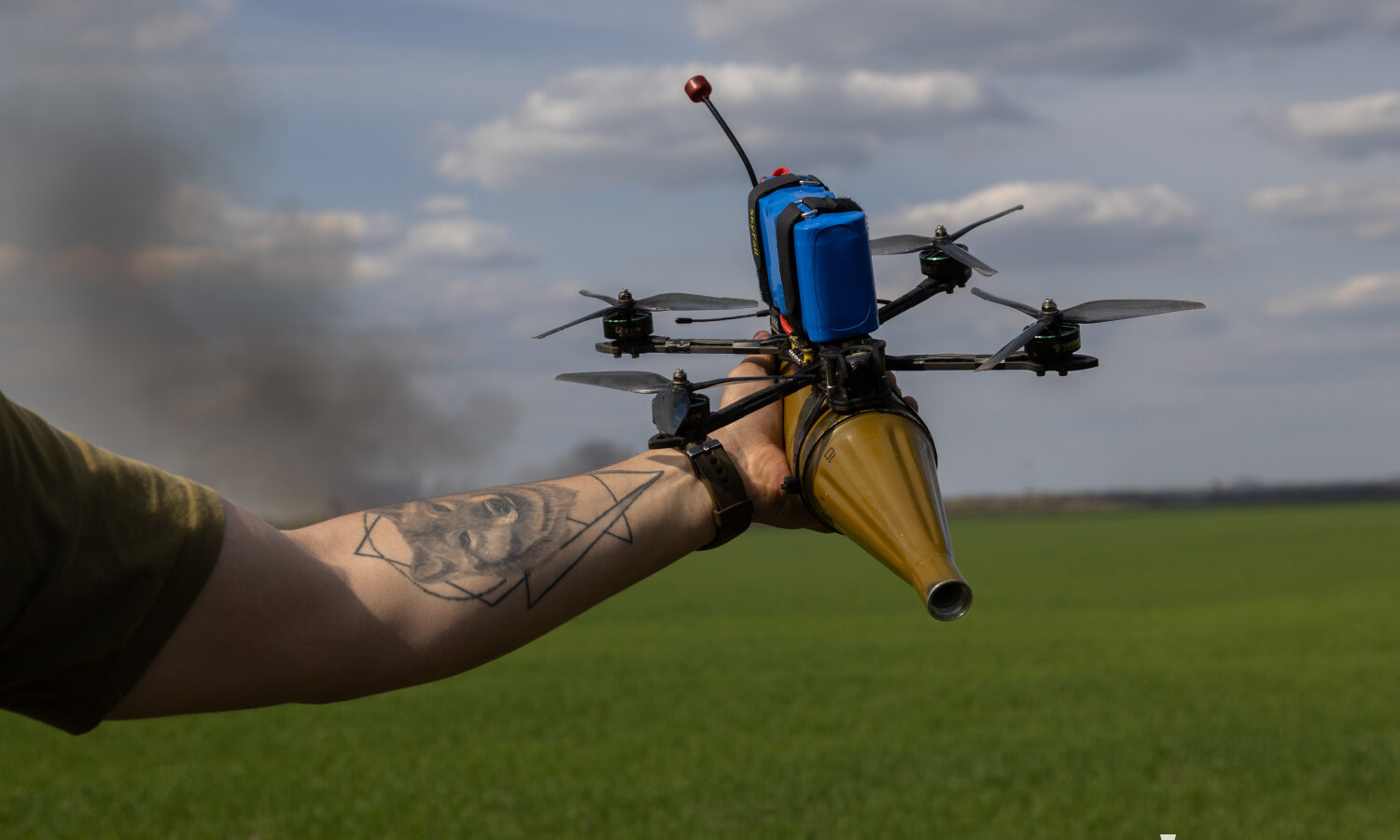
Ukraine launched one of its largest drone attacks of the war on June 18, 2026, targeting Moscow and more than a dozen Russian regions.
The most striking result of the Ukraine drone attack was a massive blaze at the Moscow Oil Refinery, sending black smoke over the Russian capital.
Ukraine Drone Attack on Moscow: What Happened
Ukraine deployed hundreds of drones in the early morning hours of June 18, hitting targets across more than 12 Russian regions.
Russia’s Ministry of Defense said its air defenses destroyed 555 drones during the early-morning attack on multiple regions.
Despite the large number of interceptions, several drones broke through Moscow’s defenses and struck the city’s main oil refinery.
Per CBS News drone attack report, the attack disrupted hundreds of flights at Moscow airports, marking one of Ukraine’s biggest strikes on the Russian capital.
The Moscow Oil Refinery: Why It Was Targeted
The Moscow Oil Refinery is one of Russia’s biggest refineries and supplies over a third of the fuel used in the capital region.
The refinery is located roughly 9 miles from the Kremlin, making its destruction a high-visibility symbolic and strategic blow.
Moscow Mayor Sergei Sobyanin confirmed several drones had hit the refinery, noting it was the second strike on the facility that week.
Images from Russian media showed massive fires raging at the plant, with thick black smoke visible across the Moscow skyline.
Scale of the Attack: Hundreds of Drones Launched
The scale of the June 18 attack puts it among the largest Ukrainian drone offensives since Russia’s full-scale invasion began in 2022.
Ukraine has intensified drone production over recent months, allowing it to sustain large-scale swarm attacks against high-value Russian targets.
Modern conflicts increasingly blend physical and digital warfare. Our coverage of top cybersecurity threats in 2026 explores the cyber dimension of 2026 conflicts.
Zelenskyy Warns Moscow Will Burn
Ukrainian President Volodymyr Zelenskyy said after the attack that it was ‘time the war ended’ as Ukraine pressed its drone campaign.
Zelenskyy warned that Moscow ‘will burn’ if Vladimir Putin continues the war, signaling Ukraine’s intent to escalate pressure.
Per NPR coverage of the Moscow strikes, Ukraine’s targeting of energy infrastructure is a deliberate strategy to raise the economic cost of war for Russia.
Ukraine has consistently argued that striking Russian fuel and military infrastructure shortens the conflict by degrading Russia’s war machine.
Russia’s Response to the Drone Strikes
Russia’s Defense Ministry reported shooting down 555 of the incoming drones but acknowledged damage to the Moscow refinery.
The Kremlin framed the strikes as terrorism and vowed to respond, though no immediate retaliatory strikes were confirmed by June 19.
Russian officials ordered increased air defense readiness around Moscow and other major cities following the overnight attack.
What the Attack Means for the Ukraine War in 2026
The attack signals that Ukraine is maintaining offensive pressure despite ongoing ceasefire talks between Russia and Western mediators.
Striking oil and energy infrastructure near Moscow adds economic pressure on Russia at a time when sanctions are already biting.
As US foreign policy grows bolder globally, Maduro’s US legal battle shows how Washington is using legal and military tools in parallel.
The war’s trajectory in 2026 will depend heavily on whether drone warfare, sanctions, and diplomacy can force a negotiated end.
Related Articles

Trust Post Desk
A journalist and editor at TrustPost.org covering world and national news, technology updates and human-interest stories. They check every fact, interview sources in person or online, and aim to deliver clear, accurate reporting. Their work ranges from breaking news to in-depth features and daily newsletters. Outside the newsroom, they follow emerging trends and engage with readers on social media.