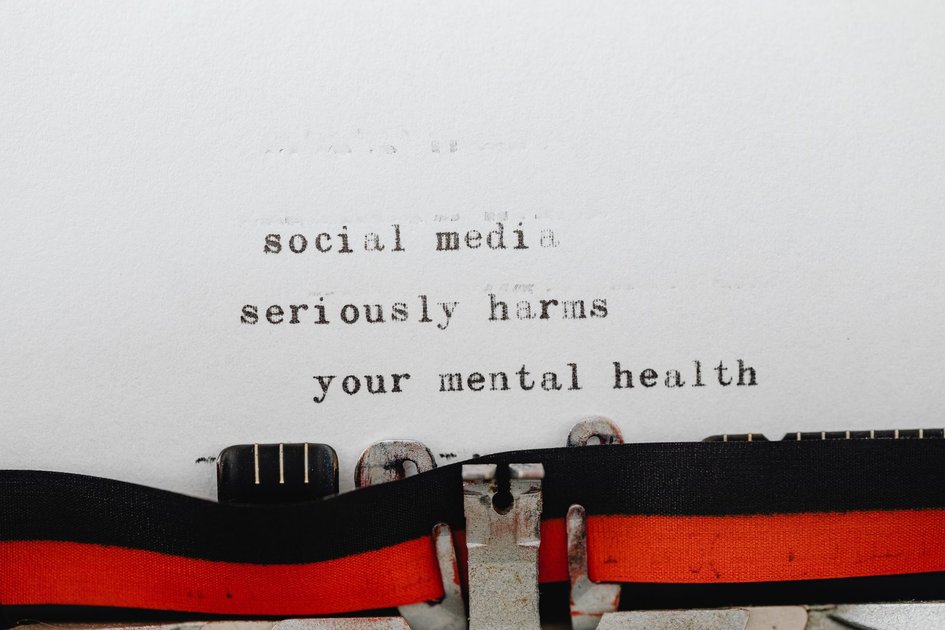
A major longitudinal study published in the Journal of Adolescent Health has provided some of the strongest evidence to date for a causal relationship between heavy social media use and anxiety disorders in teenagers, tracking more than 12,000 adolescents across five years and finding that teens who used social media for more than four hours daily were 2.8 times more likely to develop clinically significant anxiety symptoms than those who used it for less than one hour per day. The study’s longitudinal design – following the same individuals over time rather than measuring at a single point – addresses one of the primary criticisms of earlier correlational research, which could not distinguish between social media causing anxiety and anxious teens spending more time on social media.
The research, conducted across six universities in partnership with the National Institutes of Mental Health, controlled for pre-existing anxiety diagnoses, family history of mental health conditions, socioeconomic status, and other variables that could confound the relationship between social media use and mental health outcomes. The strength of the relationship remained statistically significant even after controlling for these variables, which the researchers interpret as strong evidence of a directional effect from social media use to mental health outcomes rather than a simple correlation driven by shared underlying factors.
What the Research Found
The study’s findings are more specific than the general claim that ‘social media is bad for teens’ and offer actionable insights into the types of use most associated with negative mental health outcomes. Passive scrolling – consuming content without interacting or creating – showed the strongest association with anxiety symptoms, while active use including posting, messaging, and participating in communities showed smaller and less consistent negative associations. The platform matters as well: image-heavy platforms showed stronger associations with anxiety than text-based platforms, and platforms with algorithmic content feeds showed stronger associations than those with chronological feeds.
- Girls showed stronger associations between heavy social media use and anxiety than boys across all platforms and usage patterns, consistent with existing literature on gender differences in social comparison and appearance-related anxiety.
- The timing of social media use mattered significantly: use in the hour before bed showed disproportionately strong associations with anxiety and sleep disruption, which independently contributes to mental health outcomes.
- Social comparison – self-reported by participants as a primary activity during social media use – was the strongest mediating factor between time spent and anxiety outcomes, suggesting that the mechanism runs through appearance comparison and status competition rather than through general screen time effects.
- Teens who reported using social media primarily to maintain existing friendships showed significantly smaller anxiety increases than those who reported using it to compare themselves to peers or follow content creators.
What Parents and Teens Can Do
The research team was careful to note that the study’s findings support targeted interventions rather than blanket prohibition of social media. Teenage social life has increasingly moved online, and complete restriction of social media use can itself create social isolation and anxiety by cutting adolescents off from the peer communication that is developmentally normal and important. The evidence-based recommendations that emerge from the study’s findings are more nuanced than simple time limits.
The researchers specifically recommend replacing passive scrolling with active engagement as the highest-impact behavioral change available to teens who want to reduce anxiety risk while maintaining social media participation. Setting specific time windows for social media use – rather than allowing continuous throughout-the-day access – and avoiding use in the hour before sleep are interventions with strong supporting evidence across multiple studies. Family conversations about the specific feelings that social media use triggers, rather than abstract conversations about screen time limits, appear to be the most effective parenting approach based on the study’s qualitative component.
Policy and Platform Implications
The study adds to the growing body of research informing legislative and regulatory debates about social media’s effects on minors. Several states have passed or are considering legislation requiring age verification for social media platforms, limiting algorithmic feeds for minor users, and requiring parental consent for accounts created by users under 16. The platforms themselves – under sustained pressure from legislators, regulators, and the legal system through ongoing litigation – have implemented various features designed to limit teen use including daily time limits, restricted content algorithms for under-18 accounts, and enhanced parental controls.

Trust Post Desk
A journalist and editor at TrustPost.org covering world and national news, technology updates and human-interest stories. They check every fact, interview sources in person or online, and aim to deliver clear, accurate reporting. Their work ranges from breaking news to in-depth features and daily newsletters. Outside the newsroom, they follow emerging trends and engage with readers on social media.