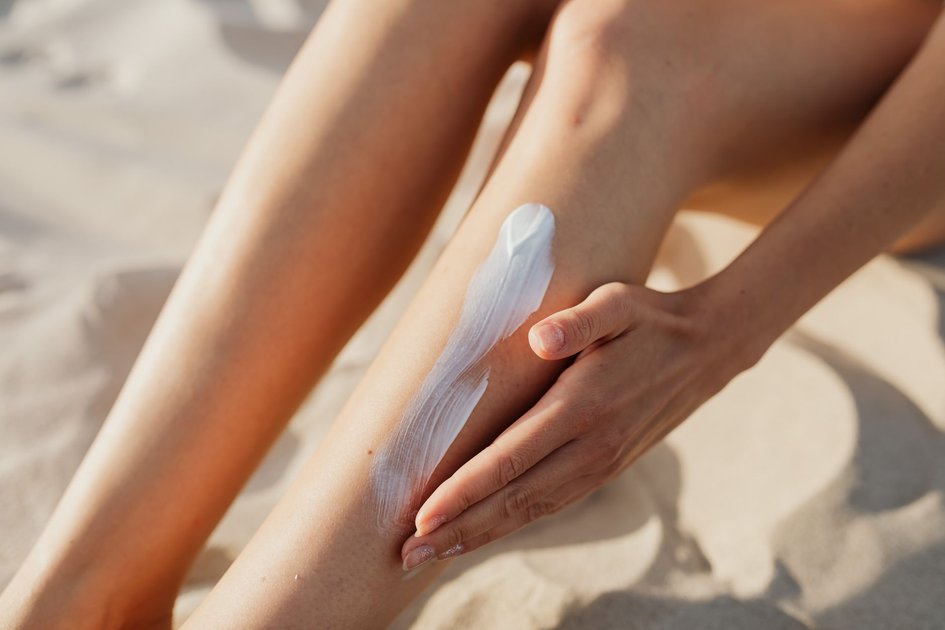
Sunscreen science has advanced significantly in the past few years, and the options available to consumers in the summer of 2026 are meaningfully better than what existed even two or three years ago. New formulations have addressed the long-standing complaints that kept many people from applying sunscreen consistently – the white cast from mineral formulas, the greasy feel of traditional chemical sunscreens, the incompatibility of high-SPF products with deeper skin tones, and the difficulty of finding options that sit well under makeup or in active, sweaty conditions. The result is a market where finding a sunscreen that works for your specific skin type and lifestyle is easier than it has ever been, if you know what to look for and which products have earned genuine dermatologist confidence.
The fundamental guidance from dermatologists has not changed: SPF 30 minimum for everyday use, SPF 50 or higher for extended outdoor time, broad-spectrum protection (which means coverage against both UVA and UVB radiation), and most importantly, consistent reapplication every two hours when outdoors. No sunscreen – regardless of SPF number, formula type or marketing claims – can provide its labelled protection level if it is applied once and not reapplied. Understanding that reapplication is non-negotiable is the single most important piece of sunscreen advice that dermatologists say they spend the most time repeating, because the temptation to treat a morning sunscreen application as sufficient for a full outdoor day remains widespread despite being directly contradicted by how sunscreen actually works.
Top Dermatologist Picks by Category
Best Overall: EltaMD UV Clear Broad-Spectrum SPF 46
EltaMD’s UV Clear remains the sunscreen most frequently recommended by dermatologists across skin types and concerns, and the 2026 reformulation has addressed the one consistent criticism of the previous version – a slight tackiness on application – while preserving everything that made the original formula so broadly trusted. It provides zinc oxide-based mineral protection with a barely-there finish, niacinamide to support skin barrier health, and a lightweight feel that sits comfortably under makeup. It remains the gold standard recommendation for acne-prone skin, sensitive skin and patients with rosacea.
Best for Dark Skin Tones: Black Girl Sunscreen SPF 30
The persistent white cast problem that has historically made mineral sunscreens less functional for people with deeper skin tones has been addressed more effectively by Black Girl Sunscreen than by almost any product in this category. The formula uses a chemical sunscreen base (avobenzone and homosalate) that applies sheer and invisible across all skin tones while providing broad-spectrum UVA/UVB protection and a moisturising formulation that works particularly well in dry climates or for people who find most sunscreens drying. Dermatologists who work with patients across a range of skin tones consistently cite this as their first recommendation for medium to deep skin tones.
Best Tinted Option: ISDIN Eryfotona Actinica Ultralight Emulsion SPF 50+
ISDIN’s mineral formula is distinctive for containing DNA repairsomes – liposome-encapsulated enzymes derived from a bacterium that can survive extreme UV exposure – alongside its zinc oxide base. The SPF 50+ rating, tinted finish that works across light to medium skin tones, and the DNA repair technology make this one of the most clinically sophisticated consumer sunscreens currently available. Dermatologists who specialise in skin cancer prevention have begun recommending it specifically for patients with a history of actinic keratoses or previous skin cancers.
Best for Athletes and Active Use: Supergoop! Unseen Sunscreen SPF 40
Supergoop’s Unseen formula has maintained its position as the preferred sunscreen for active and outdoor use since its reformulation in 2024, providing water resistance up to 80 minutes, a completely transparent application across all skin tones, and a formula that does not migrate into eyes during sweating – a common complaint with active-use sunscreens. The chemical formula using avobenzone provides robust broad-spectrum protection without the reapplication challenges that mineral formulas can present in sweaty conditions.
- Best budget pick: Neutrogena Ultra Sheer Dry-Touch SPF 55 remains the dermatologist recommendation for effective, affordable protection, with consistent lab performance that matches its SPF claims.
- Best luxury option: La Roche-Posay Anthelios Melt-in Milk SPF 100 for those requiring maximum protection, particularly patients on photosensitising medications.
- Best for children: Thinkbaby Safe Sunscreen SPF 50+, certified free of harmful chemicals and formulated for the more sensitive skin of infants and young children.
- Best facial mist for reapplication: Coola Makeup Setting Spray SPF 30, which allows SPF reapplication over makeup without disrupting coverage – addressing the single biggest practical barrier to consistent reapplication for makeup wearers.
What to Look for on the Label
When evaluating any sunscreen, dermatologists recommend checking for three things on the label before purchasing. First, confirm ‘broad-spectrum’ protection, which means the product has passed FDA testing for both UVA and UVB coverage – without this designation, an SPF number only refers to UVB protection and leaves you vulnerable to the UVA radiation responsible for skin ageing and significant cancer risk. Second, look for SPF 30 as a minimum, with SPF 50 preferred for fair-skinned individuals, those with a family history of skin cancer, or anyone spending extended time outdoors. Third, check the active ingredients: zinc oxide and titanium dioxide are mineral (physical) filters that work immediately on application, while chemical filters including avobenzone, octinoxate and homosalate require approximately 20 minutes after application before they provide full protection.
The sunscreen you will actually use consistently is better than the theoretically superior product sitting unused in a bathroom cabinet. If you dislike the feel of mineral sunscreens, choose a chemical formula. If you find traditional application awkward, consider a spray or stick format for reapplication. If texture incompatibility with your makeup routine has historically prevented consistent use, invest in a tinted formula or a setting spray with SPF. The dermatology community’s message in 2026 is consistent: there are good options for every concern and preference, and daily sunscreen use is one of the most evidence-backed investments in long-term skin health available.
Mineral vs Chemical Sunscreen: Settling the Debate
The debate between mineral (physical) and chemical sunscreen formulations has generated more confusion among consumers than almost any other topic in skincare, and the confusion has been compounded by social media content that often presents strong opinions without adequate nuance. The dermatological consensus, which has not changed as dramatically as social media discourse sometimes implies, is that both mineral and chemical sunscreens are safe and effective for most people when used as directed, and that the choice between them should be driven by individual skin type, preferences and specific concerns rather than by categorical judgments about one approach being superior to the other.
Mineral sunscreens, which use zinc oxide and titanium dioxide as their active ingredients, work by physically blocking and reflecting UV radiation at the skin surface. They begin protecting immediately upon application (no absorption time required), are generally well-tolerated by sensitive skin, and are considered the preferred option for very young children and people with conditions including rosacea, lupus and certain other inflammatory skin conditions. Their primary practical limitation has been the white cast that many formulas leave on the skin, particularly on deeper skin tones – a problem that newer nano-particle formulations have addressed but not entirely eliminated, and that remains a barrier to consistent use for many people. Chemical sunscreens, which use organic compounds that absorb UV radiation and convert it to heat, typically leave no visible residue, absorb quickly and feel lighter on the skin – properties that make them easier to use consistently. They require approximately 20 minutes post-application to reach full effectiveness, and some specific chemical UV filters (most notably oxybenzone) have been the subject of ongoing safety discussions, though the current scientific consensus is that these filters are safe at concentrations used in commercial sunscreens for most adults.
Understanding SPF Numbers
The SPF (Sun Protection Factor) number on sunscreen packaging is one of the most commonly misunderstood pieces of information in consumer skincare. SPF refers specifically to protection against UVB radiation – the wavelengths primarily responsible for sunburn and a major factor in skin cancer development. An SPF 30 sunscreen blocks approximately 97% of UVB radiation, while SPF 50 blocks approximately 98% and SPF 100 blocks approximately 99%. The diminishing returns above SPF 30 are real: moving from SPF 30 to SPF 50 adds only about one percentage point of additional UVB blocking, though that additional percentage point is more significant at the extremes of exposure and for people with very fair skin or specific medical risk factors.
The ‘broad-spectrum’ designation, separate from the SPF number, indicates protection against UVA radiation – the wavelengths that penetrate more deeply into the skin, are primarily responsible for premature skin ageing and photocarcinogenesis (the development of skin cancers), and are not captured by the SPF measurement. A sunscreen can have a high SPF number and still provide no meaningful UVA protection, which is why the broad-spectrum designation is at least as important as the SPF number for selecting a sunscreen that protects against the full spectrum of sun-related skin damage. All of the products recommended by dermatologists in the 2026 season are broad-spectrum by definition – it is a non-negotiable baseline requirement for any product worth recommending.
The quantity of sunscreen applied is a factor that most users underestimate. Clinical SPF testing is conducted using 2 mg of product per square centimetre of skin, which works out to approximately one ounce (two tablespoons) of sunscreen for full body coverage. Most people apply significantly less than this amount – studies have estimated that typical real-world application amounts are 25-50% of the test quantity – which means that in practice, most people are getting SPF protection equivalent to the square root of the labelled SPF number. An SPF 50 product applied at half the test quantity provides approximately SPF 7 protection in real-world use. This is the most important argument for using a higher SPF than you think you need, and for reapplying more liberally than seems necessary, whenever you are spending extended time outdoors.

Trust Post Desk
A journalist and editor at TrustPost.org covering world and national news, technology updates and human-interest stories. They check every fact, interview sources in person or online, and aim to deliver clear, accurate reporting. Their work ranges from breaking news to in-depth features and daily newsletters. Outside the newsroom, they follow emerging trends and engage with readers on social media.