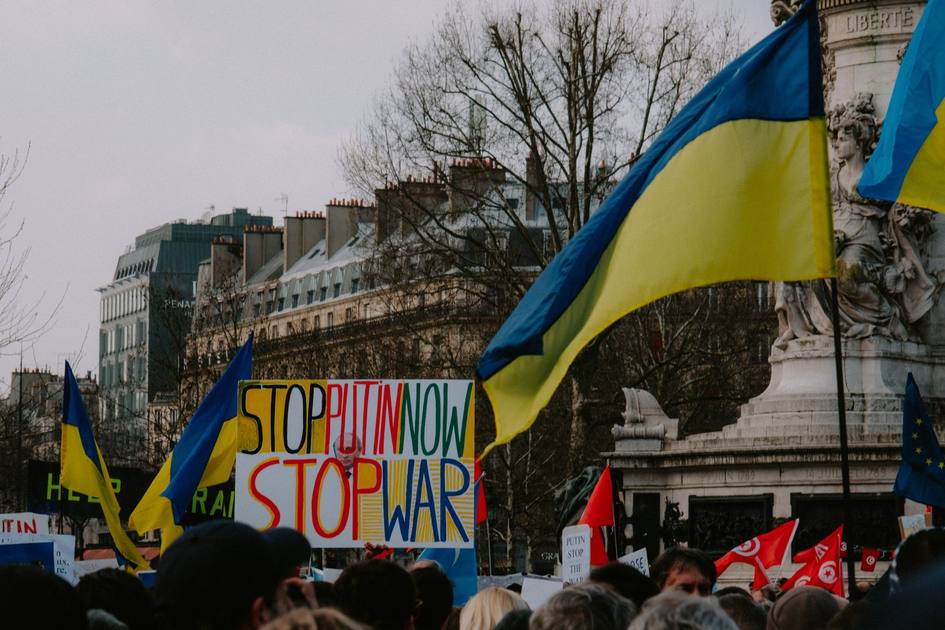
The conflict in Ukraine has entered its fifth year with the front lines largely stabilized along positions that have seen relatively limited large-scale movement over the past 18 months, though continuous low-level combat, drone warfare, and periodic artillery exchanges have sustained casualties on both sides and continued the destruction of civilian infrastructure that has characterized the war since Russia’s full-scale invasion in February 2022. The military situation as of June 2026 reflects a combination of Ukrainian defensive resilience, the continuing Western military and economic assistance that has enabled that resilience, and the Russian military’s ongoing challenges in achieving the large-scale territorial advances that the invasion’s architects anticipated would be swift and decisive.
The most significant military developments in the spring of 2026 centered on drone warfare, where both sides have dramatically escalated the scale and sophistication of their unmanned systems campaigns. Ukraine’s long-range drone strikes against Russian territory, including military infrastructure, oil refineries, and logistical targets, have imposed genuine costs on the Russian war economy and demonstrated technological capabilities that were not anticipated when the conflict began. Russia’s drone campaign against Ukrainian cities and energy infrastructure has similarly evolved in scale and sophistication, with the strikes designed to impose civilian and economic costs rather than achieve tactical military objectives.
The Military Situation
The front line in June 2026 extends approximately 1,000 kilometers from the Kharkiv region in the north through the Donetsk and Zaporizhzhia oblasts to Kherson in the south. The most active combat continues in the Donetsk region, where Russian forces have been conducting sustained offensive pressure against a network of Ukrainian fortified positions that have proven more durable than the casualty costs of defending them might justify, creating difficult decisions for Ukrainian military planners about where to accept losses to hold ground versus where to conduct tactical withdrawals to more defensible positions.
- The Kursk region incursion that Ukraine conducted in August 2024 has evolved into a complex holding operation, with Ukrainian forces maintaining positions on Russian territory as a bargaining chip and a demonstration of offensive capability that has complicated Russian military planning.
- Air defense remains one of Ukraine’s most critical resource constraints. The combination of Russian ballistic missile strikes, cruise missile attacks, and drone swarms has required enormous quantities of air defense interceptors, and maintaining the supply of these systems from Western partners has been a persistent diplomatic and logistical challenge.
- Artillery ammunition supply, which was the defining constraint on Ukrainian military operations in 2023 and early 2024, has been partially addressed by European production expansion and a series of ammunition sharing agreements that tapped existing stockpiles across NATO member states.
- Manpower has become an increasingly significant constraint for Ukraine, with mobilization policies generating both the necessity of expanding the pool of eligible soldiers and the social and political tensions that mandatory service expansions create in a democratic society under wartime conditions.
Diplomatic and Peace Talks
Formal peace negotiations between Ukraine and Russia have not occurred, and the conditions for such negotiations remain absent. Ukraine has maintained its position that negotiations cannot occur while Russian forces occupy Ukrainian territory, and President Zelensky has framed any territorial concessions as legally and constitutionally impermissible under Ukrainian law. Russia has publicly stated its war objectives in terms that are incompatible with Ukrainian sovereignty in its pre-2014 borders, creating a fundamental incompatibility of negotiating positions that diplomats from neutral countries have attempted to bridge without success.
The international diplomatic environment around the conflict remains complex. The United States has maintained its support for Ukraine under the current administration while indicating that the level of that support is subject to ongoing review. European NATO members have collectively increased their defense spending and their Ukraine support, partly driven by the assessment that the outcome of the Ukraine war will significantly affect the security environment they face regardless of American policy choices. China has maintained its position of nominal neutrality while continuing economic relationships with Russia that have provided the Russian economy with access to goods and trade relationships that Western sanctions were designed to restrict.

Trust Post Desk
A journalist and editor at TrustPost.org covering world and national news, technology updates and human-interest stories. They check every fact, interview sources in person or online, and aim to deliver clear, accurate reporting. Their work ranges from breaking news to in-depth features and daily newsletters. Outside the newsroom, they follow emerging trends and engage with readers on social media.