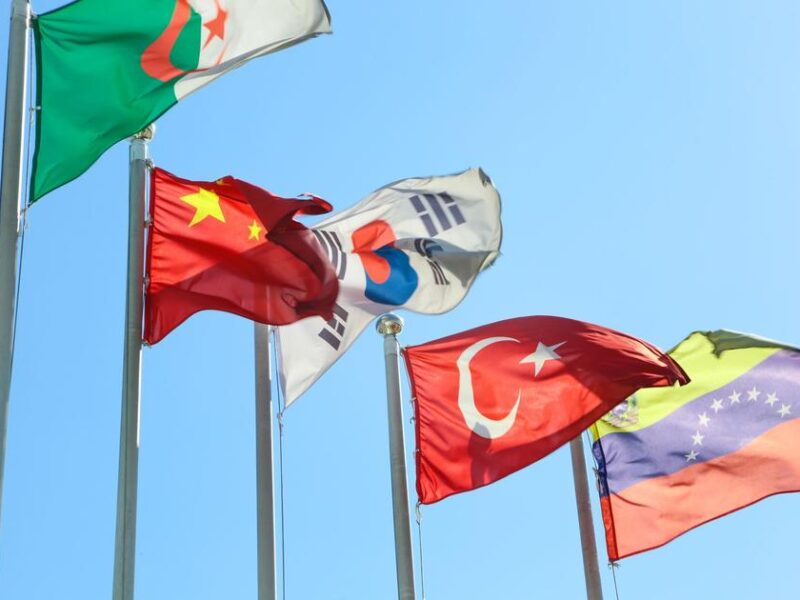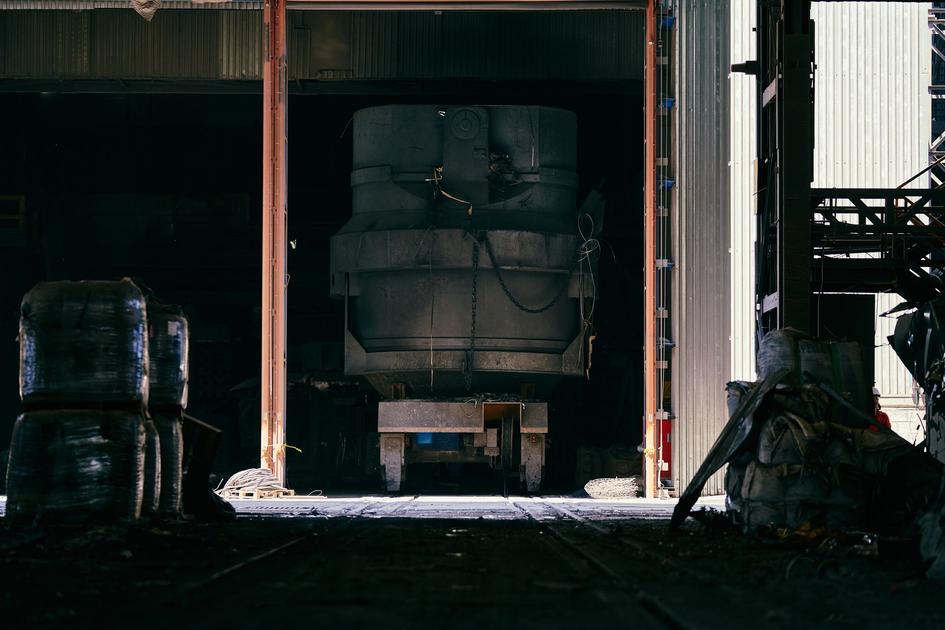
Japan launched an anti-dumping investigation on June 1, 2026 into imports of flat-rolled steel products from China, South Korea, and Taiwan, targeting hot-rolled and cold-rolled coil, strip, and sheet products that Japanese steel producers Nippon Steel Corporation and JFE Steel Corporation allege are being sold in Japan below their production cost or home market prices. The investigation covers steel products critical to Japan’s automotive, construction, manufacturing, and electrical equipment sectors. Japan’s initiation places it alongside the United States, European Union, Canada, Brazil, and other major steel-importing economies that have maintained anti-dumping or countervailing duty measures on steel from the same origins in recent years.
The investigation reflects the complex interplay between economic competition and security cooperation in Japan’s relationships with China and South Korea. Japan and China are major trading partners – China is Japan’s largest – but their economic relationship has been increasingly complicated by Japan’s Economic Security Promotion Act and by Japanese companies’ moves to reduce supply chain exposure to China. Japan and South Korea have been actively deepening their security cooperation in 2026, including the ACSA discussions at Shangri-La, while simultaneously competing in steel and other industrial export markets. The anti-dumping investigation will be managed within the WTO’s framework, requiring demonstration both that dumping is occurring and that it causes material injury to the domestic industry – a process typically taking 12-18 months that could result in provisional or definitive anti-dumping duties if findings support them. The trilateral US-Japan-South Korea technology alliance illustrates how the same countries that compete commercially also cooperate strategically in ways that require managing trade disputes without allowing them to disrupt the security partnership that all three governments view as more important than any single trade disagreement.

Trust Post Desk
A journalist and editor at TrustPost.org covering world and national news, technology updates and human-interest stories. They check every fact, interview sources in person or online, and aim to deliver clear, accurate reporting. Their work ranges from breaking news to in-depth features and daily newsletters. Outside the newsroom, they follow emerging trends and engage with readers on social media.