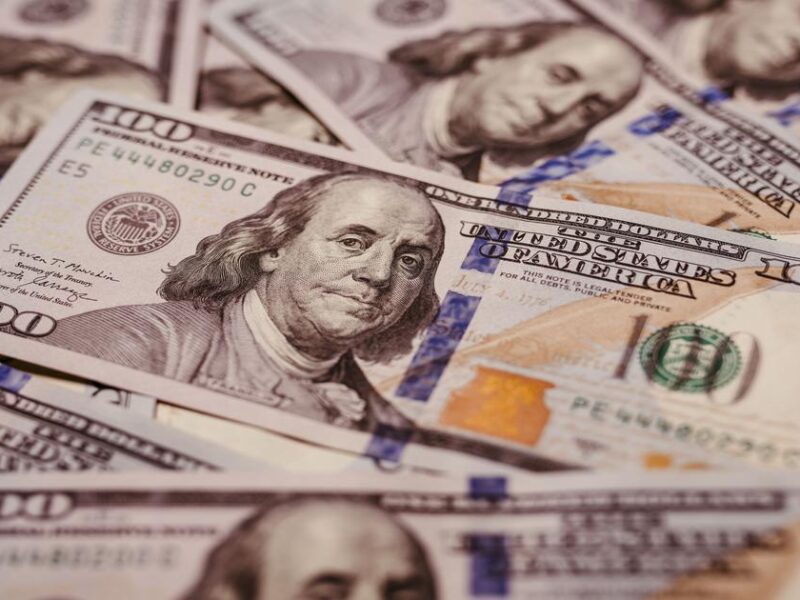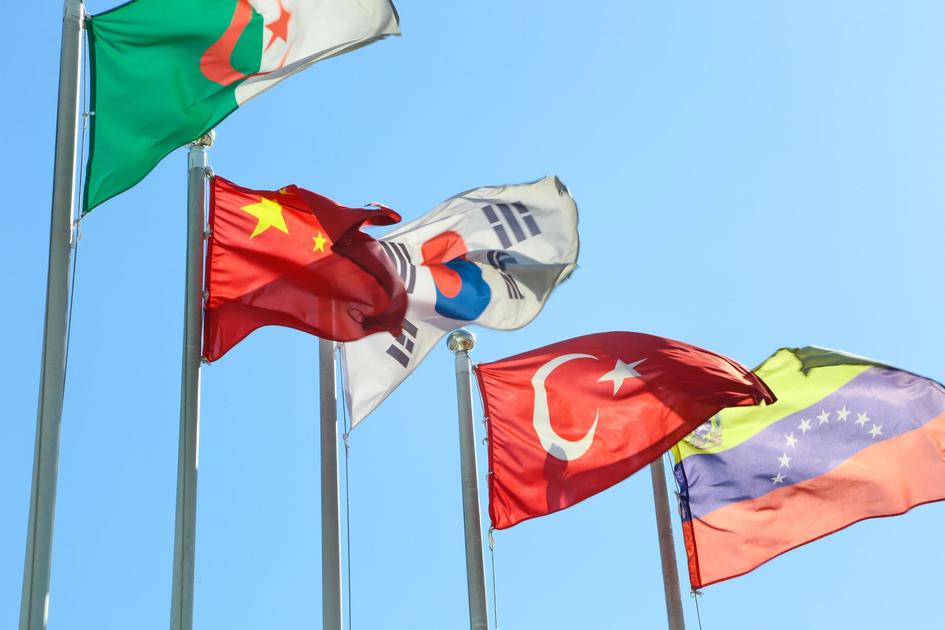
South Korean President Lee Jae-myung made a high-stakes diplomatic visit to Beijing in 2026, seeking the full restoration of South Korea-China bilateral relations that have been strained since the 2017 THAAD deployment dispute and subsequently complicated by trade, cultural, and political disagreements. Lee, who leads the Democratic Party of Korea, has pursued a posture that attempts to balance South Korea’s alliance with the United States – the cornerstone of Seoul’s security architecture – with the economic imperative of maintaining functional relations with China, which accounts for approximately 25 percent of South Korea’s total exports and is the largest source of tourism demand for Korean cultural products and technology. The Beijing visit represented the most senior-level South Korean diplomatic engagement with China since the THAAD crisis, and its framing as a “full restoration” of ties set an ambitious target going beyond incremental improvement of recent years.
The relationship Lee sought to restore had been damaged by overlapping disputes. China responded to the THAAD deployment with an informal but devastating economic boycott of South Korean consumer goods and tourism that cost South Korean companies tens of billions in lost business. The boycott was only partially lifted in subsequent years, and South Korean restrictions on Chinese technology investment and the deepening US-Japan-South Korea trilateral security framework have created additional friction. South Korea’s defense discussions with Japan on a potential ACSA military logistics agreement represent exactly the kind of security alignment with the US framework that China views most suspiciously – creating a tension at the heart of Lee’s attempt to simultaneously deepen the South Korea-Japan security partnership and restore full ties with Beijing. From China’s perspective, South Korea’s value in 2026 is primarily technological: Beijing is alarmed by the acceleration of US-Japan-South Korea coordination that threatens to limit China’s access to the advanced semiconductor equipment, materials, and memory chips that Chinese AI development and military modernization depend on. The trilateral technology alliance’s semiconductor coordination illustrates precisely why full China relationship restoration remains elusive even when both governments desire it.

Trust Post Desk
A journalist and editor at TrustPost.org covering world and national news, technology updates and human-interest stories. They check every fact, interview sources in person or online, and aim to deliver clear, accurate reporting. Their work ranges from breaking news to in-depth features and daily newsletters. Outside the newsroom, they follow emerging trends and engage with readers on social media.