Brent crude oil fell below $70 per barrel for the first time since December 2023 in mid-June 2026, driven by OPEC+ production increases, weaker-than-expected Chinese demand, and a buildup in US commercial crude inventories.
Brent closed at $68.40 on June 13, 2026. WTI crude settled at $64.80. The decline represents a 24 percent drop from the $90 per barrel level seen in September 2025 and is the steepest fall since the post-COVID demand recovery reversed in 2022.
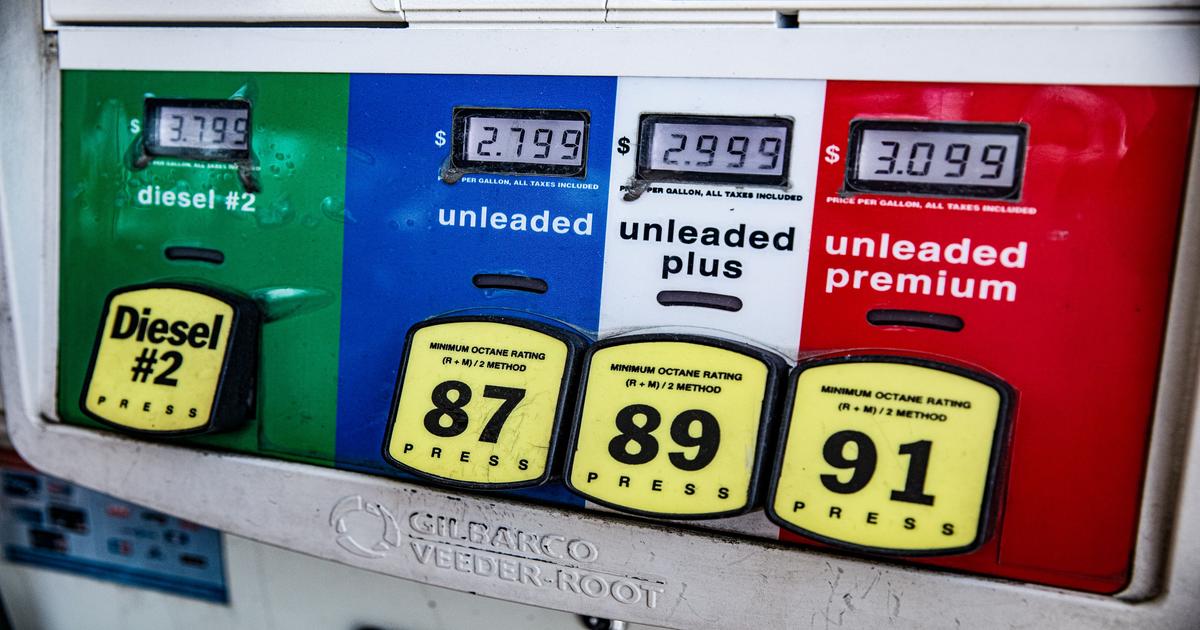
Lower oil prices flow through to gasoline costs within 2 to 4 weeks. The US national average for regular gasoline stood at $3.04 per gallon on June 13, down from $3.68 in January 2026 and the lowest since April 2021.
Why Oil Prices Are Falling
OPEC+ agreed in May 2026 to increase production by 1.2 million barrels per day starting June 1. The decision reflects internal disagreements within OPEC+ about market share, with Saudi Arabia signaling willingness to accept lower prices rather than cede volume to non-OPEC producers.
Chinese crude imports fell 7 percent year-over-year in May 2026, according to Chinese customs data. Electric vehicle adoption in China has reduced gasoline demand growth, with EVs now accounting for 38 percent of new car sales in China as of Q1 2026.
US crude oil production reached 13.4 million barrels per day in the week ending June 7, a record high. American shale producers have increased output despite lower prices because their break-even costs have fallen to $45-55 per barrel on average in the Permian Basin.
Impact on US Economy and Inflation
Lower gasoline prices reduce headline CPI inflation directly. A $1 per gallon decline in gasoline prices typically reduces headline CPI by approximately 0.3 percentage points over the following month. Federal Reserve officials noted in June that energy deflation is helping offset sticky services inflation.
Airlines and logistics companies are direct beneficiaries. Delta Air Lines said every $10 decline in jet fuel prices saves the company approximately $1.2 billion per year. FedEx raised its annual guidance following the oil price decline.
Oil Price Timeline 2025-2026
| Date | Brent Price | Key Driver |
|---|---|---|
| September 2025 | $90/barrel | Middle East supply concerns |
| December 2025 | $76/barrel | Demand growth slowdown |
| March 2026 | $79/barrel | Seasonal demand increase |
| May 2026 | $74/barrel | OPEC+ production increase announced |
| June 2026 | $68/barrel | Weak China demand + US inventory build |
Frequently Asked Questions
Why are gas prices falling in June 2026?
Gas prices are falling because crude oil prices have dropped 24 percent since September 2025. The decline is driven by OPEC+ production increases, weak Chinese demand, and record US production. Gasoline prices typically follow crude oil prices with a 2 to 4 week lag, so the full effect of the June crude decline will appear at the pump by early July.
Will oil prices continue to fall?
Analysts are divided. Goldman Sachs and Morgan Stanley both lowered their 2026 Brent price forecasts to $72-75 per barrel in June, citing sustained OPEC+ supply and weak Chinese demand. Some analysts argue prices have overcorrected and will recover to $75-80 per barrel by Q4 2026 as demand seasonally picks up.
How do lower oil prices affect electric vehicle sales?
Lower gasoline prices reduce one of the economic incentives for switching to an electric vehicle. A 2024 study found that a sustained $20 per barrel decline in oil prices reduces EV consideration by 8-12 percent among undecided buyers. However, the long-term EV adoption trend in the US has continued even through previous periods of low gas prices.

Trust Post Desk
A journalist and editor at TrustPost.org covering world and national news, technology updates and human-interest stories. They check every fact, interview sources in person or online, and aim to deliver clear, accurate reporting. Their work ranges from breaking news to in-depth features and daily newsletters. Outside the newsroom, they follow emerging trends and engage with readers on social media.