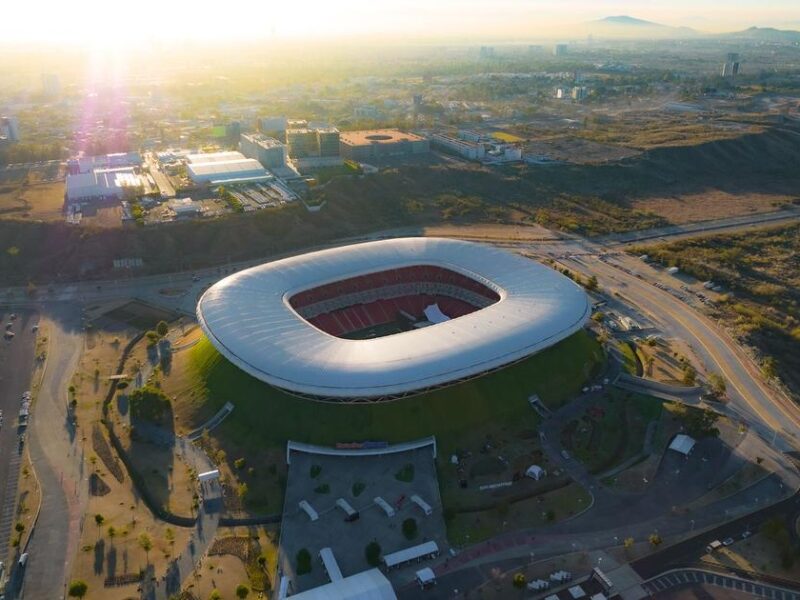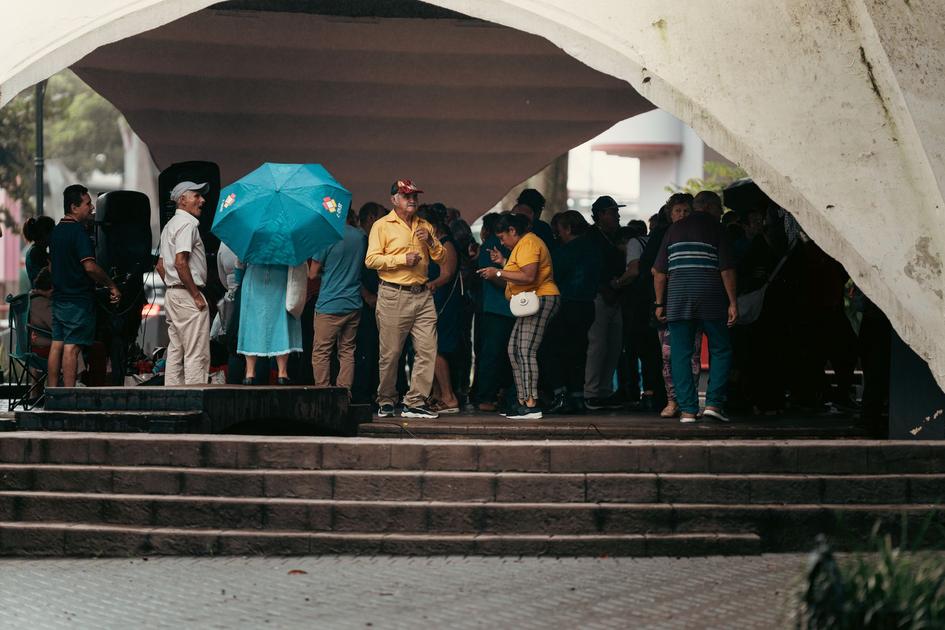
FIEXPO Latin America 2026 took place in San Jose, Costa Rica from June 8 to June 11, 2026, gathering more than 2,000 meetings, incentives, conferences, and exhibitions (MICE) industry professionals from across Latin America and international buyers from North America, Europe, and Asia in one of the region’s most important annual business events forums. The conference, which has been held annually since 2007 in different Latin American host cities and serves as the primary platform for connecting regional convention centers, hotels, destination management organizations, and event logistics providers with international meeting organizers and corporate event planners, took place in a context of strong industry recovery from the COVID-19 pandemic disruptions that eliminated virtually all in-person meetings and events business from 2020 to 2022 and that restructured the industry’s business model in ways that continue to shape how events are planned and executed in 2026.
The 2026 FIEXPO program centered on several themes that reflect the current state of the meetings industry. Artificial intelligence tools for event planning, attendee engagement, and logistics management were the subject of multiple sessions, as the rapid maturation of AI applications for tasks including event content personalization, real-time translation, attendee networking facilitation, and post-event analytics has begun to change the productivity equation for professional event planners. Sustainability and environmentally responsible event management were a major focus, with Latin American destinations promoting their natural environment credentials and green practices as competitive advantages in a global MICE market where corporate clients face increasing ESG requirements from their stakeholders. Costa Rica’s hosting of FIEXPO 2026 provided a natural showcase for the country’s positioning as a sustainable tourism and meetings destination – Costa Rica generates over 99 percent of its electricity from renewable sources, a statistic that makes it genuinely unusual among both Latin American and global destinations in its ability to claim authentic green credentials for events held on its territory. The broader Latin American meetings market in 2026 is being boosted by the World Cup’s global attention on the Americas and by growing international interest in Colombia, Peru, Chile, and Brazil as convention destinations that combine world-class infrastructure with unique natural and cultural experiences that distinguish them from the European destinations that have traditionally dominated the high-value international conventions market. The broader tourism boom across Latin America in 2026 creates favorable conditions for the MICE sector’s continued recovery and growth.

Trust Post Desk
A journalist and editor at TrustPost.org covering world and national news, technology updates and human-interest stories. They check every fact, interview sources in person or online, and aim to deliver clear, accurate reporting. Their work ranges from breaking news to in-depth features and daily newsletters. Outside the newsroom, they follow emerging trends and engage with readers on social media.