Apple’s Worldwide Developers Conference 2026 delivered a keynote packed with announcements spanning iOS 27, macOS Tahoe, watchOS 13, and the most significant update to Apple Intelligence since its introduction. For developers and consumers alike, WWDC 2026 confirmed that Apple is in an aggressive phase of platform evolution, with artificial intelligence woven throughout the operating system in ways that go far beyond the assistant interactions that characterized the first generation of AI features. Here is a complete breakdown of every major announcement from the keynote and what each means for how you use your Apple devices.
iOS 27: The Biggest Changes
iOS 27 represents the most significant visual overhaul of the iPhone’s operating system since iOS 7 introduced flat design in 2013. The new interface language, which Apple is calling ‘Liquid Glass,’ introduces translucency and depth effects throughout the system interface, from the home screen and Control Center through to native apps. The aesthetic is designed to feel more spatial and dimensional, a deliberate bridge between the flat design of the past decade and the three-dimensional interface logic of Apple Vision Pro.
- AI-powered Siri redesign: Siri in iOS 27 is no longer a separate assistant mode but is woven throughout the entire operating system, capable of understanding context across apps, executing multi-step tasks, and maintaining conversation history that allows follow-up questions without restating context.
- Live translation in all apps: iOS 27 brings system-level translation that works across every app without requiring developer integration. Text in any app can be translated on-device in 35 languages with a long-press gesture.
- Photos app total rebuild: The Photos app has been completely rebuilt with AI-powered organization that learns from user behavior and creates dynamic albums, highlights, and memories that become more accurate and personally relevant over time.
- RCS improvements: Apple has expanded RCS support to include higher-resolution media sharing, read receipts across all carriers, and typing indicators that work between iPhone and Android users without requiring iMessage.
- Battery health display: iOS 27 introduces a detailed battery health dashboard showing capacity degradation over time, charge cycle count, and predictive replacement recommendations – information that was previously unavailable without third-party tools.
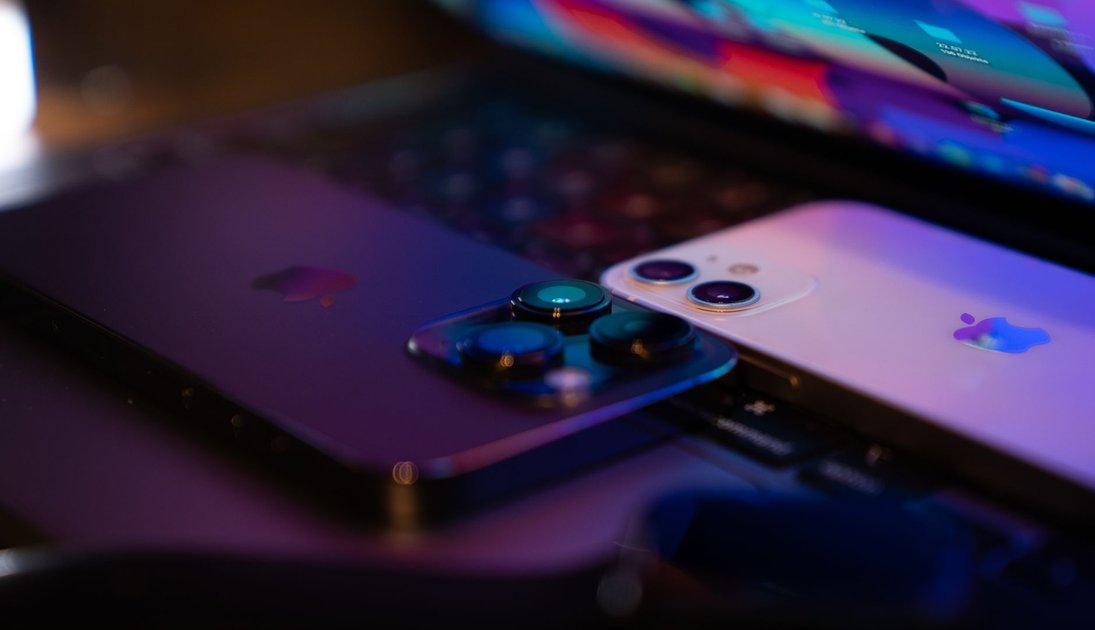
Where to Buy: Shopping for an Apple device? Browse the Latest Apple iPhone on Amazon – including the latest Pro and standard models with Prime delivery.
Apple Intelligence: The Next Generation
The second generation of Apple Intelligence, announced at WWDC 2026, goes substantially further than the first generation’s writing tools, image generation, and basic Siri improvements. The new Apple Intelligence framework introduces what Apple calls ‘Personal Context’ – a system that, with user permission, reads across all apps, emails, messages, calendar events, and documents to build a private, on-device understanding of the user’s life that informs every AI interaction.
The Personal Context system is processed entirely on-device for privacy, with only specific types of queries optionally offloaded to Apple’s Private Cloud Compute infrastructure. The practical result is an AI system that understands not just what you are asking but who you are asking it as – a parent, a professional, a student – and tailors its responses to what it knows about your specific situation and preferences without that information ever leaving your device.
macOS Tahoe and New Mac Hardware
macOS Tahoe introduces a redesigned Finder with AI-powered file organization, a completely rebuilt Mail app with Priority Inbox and AI summarization of long email threads, and improved Handoff functionality that allows smooth task continuation between iPhone, iPad, and Mac with no manual intervention required. The operating system is designed around the M4 chip family, with specific optimizations for the on-device AI processing that has become central to Apple’s software strategy.
Apple also announced updated MacBook Pro models with M4 Max chips, offering meaningfully improved performance for video professionals, AI developers, and creative professionals who use their machines for computationally intensive work. The new MacBook Pro maintains the same physical design as the previous generation while delivering significant improvements in both performance and battery life.

Trust Post Desk
A journalist and editor at TrustPost.org covering world and national news, technology updates and human-interest stories. They check every fact, interview sources in person or online, and aim to deliver clear, accurate reporting. Their work ranges from breaking news to in-depth features and daily newsletters. Outside the newsroom, they follow emerging trends and engage with readers on social media.