
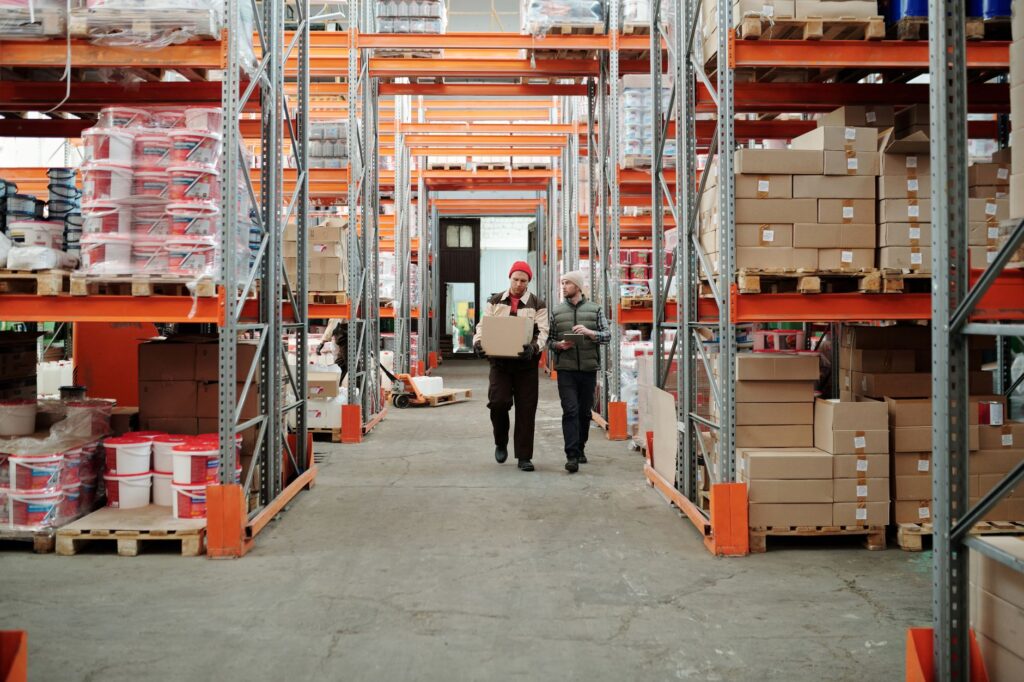
Finding reliable dropshipping suppliers is the single most important decision you will make, because your supplier controls the two things that make or break a store: product quality and shipping speed. You handle the marketing and the customer, but the supplier quietly becomes your reputation. Choose well and customers are happy; choose the cheapest option and you inherit slow deliveries, wrong items, and refund requests that no marketing can fix. This guide shows you where to find dropshipping suppliers, how to vet them, and the red flags that signal trouble before it reaches your customers.
It is part of our wider guide to starting a dropshipping business, and it pairs naturally with our look at what makes a store profitable, since supplier reliability directly protects your margins from refunds and chargebacks.
| Supplier type | Best for | Trade-off |
|---|---|---|
| Marketplace apps (AliExpress-based) | Beginners, huge product choice | Slower overseas shipping |
| US or local suppliers | Fast shipping, trust | Fewer products, higher cost |
| Supplier directories | Vetted, organized sourcing | Often a membership fee |
| Print-on-demand | Custom branded products | Niche-specific |
| Direct from manufacturer | Best margins at scale | Higher volume commitment |
How to Find Dropshipping Suppliers
There is no single place to find dropshipping suppliers; there are several routes, each suited to a different stage. Beginners usually start with marketplace apps that connect a store to a vast catalog of products from overseas wholesalers in a few clicks. As a store grows, sellers often move toward faster or more specialized sources. Your main options are:
- Marketplace platforms and apps that aggregate products, most of them built on the AliExpress ecosystem, offering enormous choice with slower shipping
- US-based or local suppliers that ship far faster, a major advantage for customer satisfaction, though with smaller catalogs and higher unit prices
- Supplier directories that pre-vet suppliers and organize them by category, usually for a membership fee
- Print-on-demand services for custom-branded apparel, mugs, and similar items made only when ordered
- Direct manufacturer or wholesaler relationships, the best margins and reliability once your volume justifies them
A common progression is to start on a marketplace app to test which products sell, then move winners to a faster US supplier or a direct relationship once demand is proven. You do not need the perfect supplier on day one; you need one good enough to validate a product.
How to Vet a Supplier Before You Sell
Never list a product from a supplier you have not checked. Vetting takes an afternoon and saves months of refunds. Work through this before committing:
- Order a sample yourself. This is non-negotiable. You cannot sell quality you have never seen or shipping speed you have never timed.
- Time the delivery. Note exactly how long the sample takes to arrive, because that is what your customers will experience.
- Test their communication. Send a question and see how fast and how clearly they respond; slow pre-sale support means slow help when something goes wrong.
- Check their returns process. Understand exactly how defective items and refunds are handled before a customer forces you to find out.
- Confirm integration. Make sure they sync stock levels and orders with your platform, so you never sell an out-of-stock item.
Do this for every supplier, not just the first. Many stores use several suppliers, and each one is a separate point of failure that deserves the same scrutiny.
Supplier Red Flags to Avoid
Some warning signs reliably predict problems. Walk away from a supplier showing these:
- No samples allowed, or unusually high sample fees that discourage you from checking quality
- Vague or very long shipping times, the top source of customer complaints and refunds
- Poor or slow communication before you are even a customer
- Branded or trademarked goods offered at suspiciously low prices, a sign of counterfeits
- No clear returns or defect policy, leaving you to absorb every problem order
- Prices with no room for margin once your own selling and ad costs are added
The cheapest supplier is rarely the most profitable one. A slightly higher unit cost from a reliable supplier with fast shipping usually earns more overall, because it produces fewer refunds, better reviews, and repeat customers.
Why Shipping Speed Matters Most
If you optimize one supplier factor, make it shipping speed. Slow delivery is consistently the number one complaint in dropshipping, and it drives the refunds and chargebacks that quietly destroy margins. A product that takes three weeks to arrive generates support tickets, negative reviews, and disputes, no matter how good it is.
This is why US-based and local suppliers command a premium: a two-to-five-day delivery transforms the customer experience and cuts complaints dramatically. If you must use overseas suppliers for cost or selection reasons, be scrupulously honest about delivery times on the product page. Setting the expectation upfront turns a slow shipment from a betrayal into a known trade-off the customer accepted, which is both fairer and far better for your dispute rate.
How Supplier Apps Automate Fulfillment
The reason dropshipping scales at all is automation. Modern supplier apps connect directly to your store so that most of the order-handling happens without you touching it. Understanding what they do helps you choose the right one:
- Product import: pull product titles, images, and prices into your store in a few clicks rather than building listings by hand
- Order routing: when a customer buys, the app forwards the order and shipping address to the supplier automatically
- Inventory sync: stock levels update so you do not sell items the supplier has run out of
- Price rules: automatic markups keep your margins consistent even when supplier prices change
- Tracking updates: shipment tracking flows back to the customer without manual copying
Automation is powerful but not a substitute for oversight. Apps can sync a wrong price or an out-of-stock item, and they cannot judge quality or answer an upset customer. Treat the app as a workflow that removes busywork, while you keep responsibility for the parts that need judgment: choosing suppliers, checking samples, and handling the customer relationship. The best setup pairs solid automation with a seller who still spot-checks orders and reads the reviews.
Building a Supplier Relationship
Once you find a supplier that performs, treat the relationship as an asset. Consistent order volume gives you leverage to negotiate better per-unit pricing, faster processing, and sometimes custom packaging with your branding. Suppliers prioritize sellers who send steady, reliable business, so a good relationship compounds into better terms over time.
It also pays to have a backup. Suppliers run out of stock, raise prices, or slip on quality, and a store dependent on a single source is one bad week away from a crisis. Keeping a vetted second supplier for your key products means you can switch without halting sales, which is the kind of quiet resilience that separates a hobby store from a business. Reviewing your suppliers every few months, checking their current shipping times and reorder prices, keeps small problems from turning into the kind that cost you customers.
Frequently Asked Questions
Where do most dropshippers find suppliers?
Most beginners start with marketplace apps built on the AliExpress ecosystem, because they connect a store to a huge product catalog instantly and for little cost. As they grow, many move to US-based suppliers or supplier directories for faster shipping and better reliability, and the largest sellers often build direct relationships with manufacturers.
Should I use US or overseas dropshipping suppliers?
Both work, but they trade off differently. Overseas suppliers offer the widest selection and lowest prices with slower shipping, while US suppliers ship far faster and build more trust at a higher cost and smaller catalog. Many sellers test products overseas, then switch proven winners to US suppliers to improve delivery times and cut complaints.
How do I know if a supplier is legit?
Order a sample and judge the quality and delivery time yourself, test how they communicate, and confirm they have a clear returns policy. Legitimate suppliers welcome samples and answer questions promptly. Be wary of any supplier offering branded goods at very low prices, refusing samples, or giving vague shipping estimates.
Do I need to pay for a supplier directory?
Not necessarily. Many marketplace apps let you source products for free, while paid directories charge a membership for pre-vetted suppliers and better organization. A directory can save time and reduce risk, but it is optional; plenty of successful stores never use one, relying on their own vetting instead.
How many suppliers should I use?
Start with one good supplier per product to keep things simple, but line up a vetted backup for your best sellers. Relying on a single source is risky, because stockouts or quality slips can halt sales overnight. A primary plus a backup for key products is the sweet spot for most growing stores.
Can I dropship without ever contacting a supplier directly?
With marketplace apps, largely yes, since the app handles importing products and routing orders automatically, and you may never message the supplier. But you should still order samples and monitor performance, because the automation cannot judge quality or resolve a customer complaint. Hands-off sourcing works, but hands-off oversight does not.
Related Articles

Get the TrustPost briefing
The stories that matter, in your inbox. No spam, unsubscribe anytime.
Newsletter signup will be available soon.
Related stories
Dropshipping Marketing: How to Get Your First Sales
Dropshipping marketing that works in 2026: the channels worth using, the profit numbers that matter, how to get first sales, and the mistakes that waste budget.
Amazon Dropshipping: How It Works and the Rules
Amazon dropshipping explained: how it works, Amazon's strict policy, the seller-of-record rule, the pros and cons, and mistakes that get accounts banned.
How to Start a Shopify Dropshipping Store
How to set up a Shopify dropshipping store step by step: account, supplier apps, product pages, fees, and the settings beginners get wrong before launch.