The United States and Iran announced on June 14, 2026 that they had reached a memorandum of understanding to formally end the conflict that began on February 28, when the US and Israel launched coordinated strikes against Iranian nuclear and military infrastructure. The MOU, mediated by Pakistan and announced by US President Donald Trump on Sunday evening, calls for the immediate and permanent termination of military operations on all fronts including Lebanon, the removal of the US naval blockade of Iranian ports, and the restoration of toll-free commercial shipping through the Strait of Hormuz. The formal signing is scheduled for June 19, with a 60-day process to follow that is intended to bring the conflict to a full and binding conclusion. The announcement came after more than 15 weeks of intermittent fighting that disrupted global energy markets, triggered fuel shortages across parts of Asia, and imposed economic costs across the world economy estimated in the trillions of dollars.
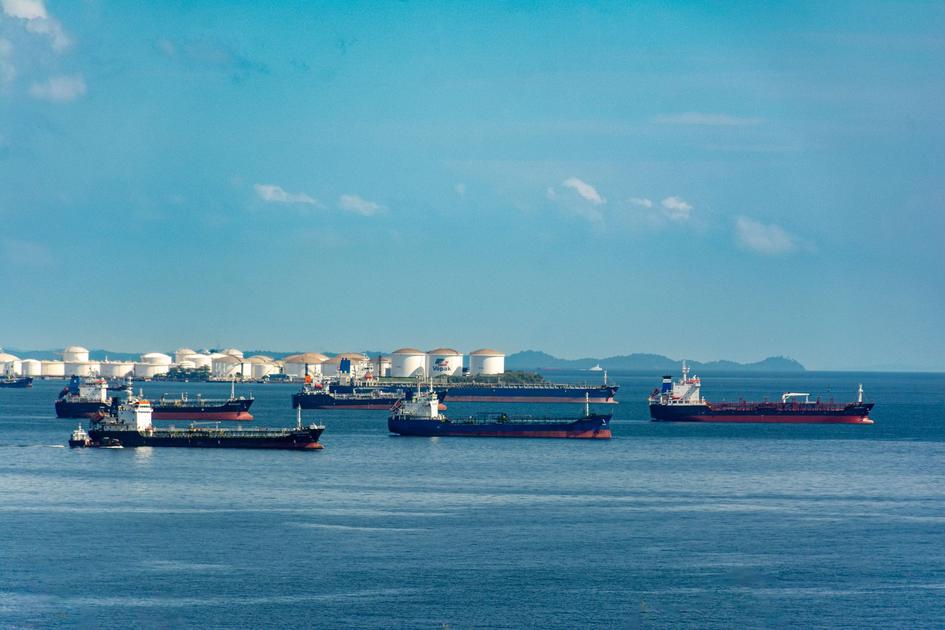
The Strait of Hormuz, through which approximately 20 percent of the world’s oil supply transits, was severely disrupted almost immediately after the February 28 US-Israeli strikes. Iran moved to restrict or threaten shipping through the strait as leverage, and the United States responded with a naval blockade of Iranian ports as part of its pressure campaign. The combined effect was a sharp reduction in oil supply from the Persian Gulf region that caused fuel prices to spike across Europe, Asia, and parts of the Americas, with countries heavily dependent on Gulf crude – including India, China, Japan, South Korea, and several European nations – absorbing the highest costs. Global oil prices surged above $108 per barrel at the height of the conflict before the ceasefire announcements in April and June began to ease supply concerns.
How the Conflict Evolved: From February Strikes to June Deal
The conflict began February 28, 2026 with US and Israeli strikes targeting Iranian nuclear facilities and military installations, following months of escalating tension over Iran’s nuclear program. An initial ceasefire was agreed on April 7-8, bringing a pause to the heaviest fighting but not fully resolving the underlying conflict or restoring Hormuz shipping to normal. Iran struck Kuwait International Airport on June 2-3, a significant escalation that prompted strong condemnation from Gulf states and briefly threatened to collapse the ceasefire framework. A US-brokered ceasefire agreement specifically covering Lebanon – where Iran’s Hezbollah proxy had been engaged in exchanges with Israel – was reached on June 4. The June 14 MOU announcement represents the most comprehensive agreement to date, addressing the naval blockade, Hormuz access, and the cessation of hostilities on all fronts simultaneously. Pakistan’s role as mediator reflects both Islamabad’s relationship with Tehran and its interest in restoring Gulf energy flows on which Pakistan’s own heavily import-dependent economy depends. The MOU’s legal framework will be scrutinized by international legal experts as the 60-day formalization process unfolds.
Economic Impact of Hormuz Disruption and What Reopening Means
The economic consequences of the Hormuz disruption were felt globally but fell most heavily on Asia. Japan and South Korea, both almost entirely dependent on Middle Eastern oil imports, scrambled to source alternative supplies from West Africa, the Americas, and Central Asia at significantly higher cost. China, which has been building strategic petroleum reserves for precisely this scenario, drew on those reserves while negotiating emergency supply agreements with Russia and Kazakhstan. India, which had been increasing its Gulf oil imports in recent years as part of a cost-optimization strategy, faced immediate pressure on its import bill and downstream fuel subsidies. The UK economy contracted 0.1% in April due partly to the energy shock, with fuel consumption falling nearly 10 percent as consumers and businesses absorbed higher prices. The reopening of the Hormuz to toll-free shipping under the June 14 MOU is expected to begin reversing these pressures as tanker traffic returns to pre-conflict levels over the coming weeks.
Regional Reactions and What Comes Next
Gulf Cooperation Council states – Saudi Arabia, UAE, Kuwait, Qatar, Bahrain, and Oman – greeted the June 14 announcement with relief. The conflict had placed Gulf states in a difficult position, nominally aligned with the US security framework but deeply concerned about Iranian retaliation that could threaten their own territory and energy infrastructure. Kuwait, whose airport was struck by Iran on June 2-3, responded with particular urgency to the prospect of a formal end to hostilities. Israel’s position under the MOU requires it to also halt operations against Iranian-backed forces in Lebanon, a condition that Israeli Prime Minister Netanyahu confirmed after a June 14 call with President Trump during which Trump reportedly pressed Netanyahu to accept the deal. The 60-day formalization period beginning with the June 19 signing will determine whether the MOU translates into a durable peace or a prolonged negotiation over the more complex issues – Iran’s nuclear program, sanctions relief, and regional proxy relationships – that the initial MOU does not fully resolve.

Trust Post Desk
A journalist and editor at TrustPost.org covering world and national news, technology updates and human-interest stories. They check every fact, interview sources in person or online, and aim to deliver clear, accurate reporting. Their work ranges from breaking news to in-depth features and daily newsletters. Outside the newsroom, they follow emerging trends and engage with readers on social media.