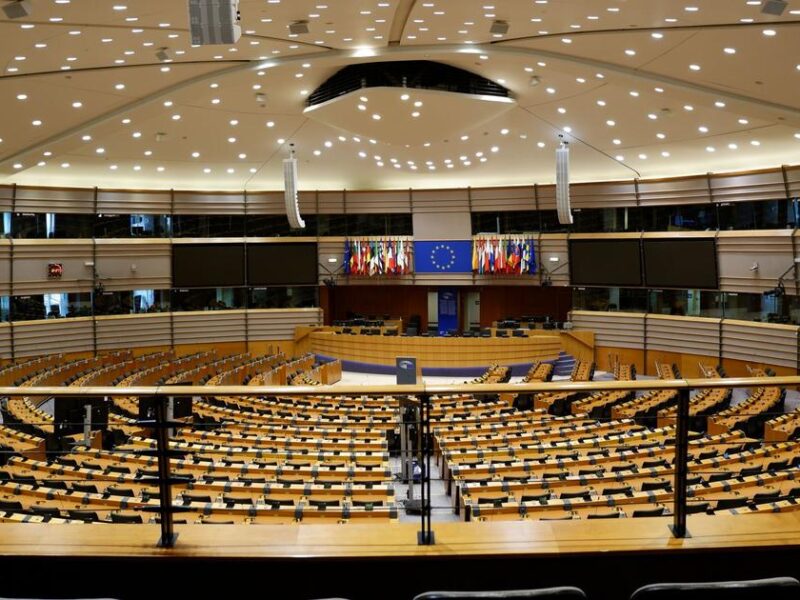
Six of the European Union’s largest economies – Germany, France, Italy, Spain, Poland, and the Netherlands – launched a coordinated political push for deeper EU capital markets integration in 2026, presenting a joint position paper to the European Commission that called for priority action on the Savings and Investments Union agenda that the Draghi report on European competitiveness identified as one of the most important structural reforms available to improve Europe’s economic performance. The six-country initiative reflects growing recognition among European finance ministers and heads of government that the EU’s fragmented national capital markets – each with distinct regulatory frameworks, investor protection rules, securities laws, and supervisory architectures – prevent European savings from being efficiently allocated to the investment opportunities that offer the best returns and that the European economy most urgently needs capital for: the green transition requiring an estimated 800 billion euros annually through 2030, defense rearmament requiring unprecedented public and private investment across the defense industrial base, digital infrastructure including data centers and semiconductor fabs, and the productivity-enhancing technologies where European companies compete with US and Chinese rivals who have access to deeper and more risk-tolerant capital markets.
The structural gap the six nations’ initiative aims to address is often described as a $35 trillion paradox: Europe saves more than the United States relative to GDP, yet European investment as a share of GDP is lower, and European companies – particularly growth-stage technology companies – are significantly more likely to list on US exchanges or be acquired by US or Asian companies than their US equivalents are to seek European listing or acquisition. The explanation lies in Europe’s underdeveloped equity capital market, its smaller venture capital ecosystem, its fragmented pension fund and insurance sector that invests less in European equities than in US or global equities, and the regulatory complexity that makes operating pan-European financial services more expensive and complicated than operating in the comparably sized US single market. The six-nation push targets specific structural reforms including mutual recognition of insolvency procedures to reduce the risk that investors in one member state face when investing in companies incorporated in another, harmonization of withholding tax procedures for cross-border dividends that currently require investors to navigate complex reclaim processes in each member state, and a pan-European savings product that would give retail investors in all EU countries access to the same tax-advantaged investment vehicle. The French GDP stagnation and German defense budget pressures create the fiscal urgency that makes capital markets reform a political priority rather than a technocratic aspiration in 2026.

Trust Post Desk
A journalist and editor at TrustPost.org covering world and national news, technology updates and human-interest stories. They check every fact, interview sources in person or online, and aim to deliver clear, accurate reporting. Their work ranges from breaking news to in-depth features and daily newsletters. Outside the newsroom, they follow emerging trends and engage with readers on social media.