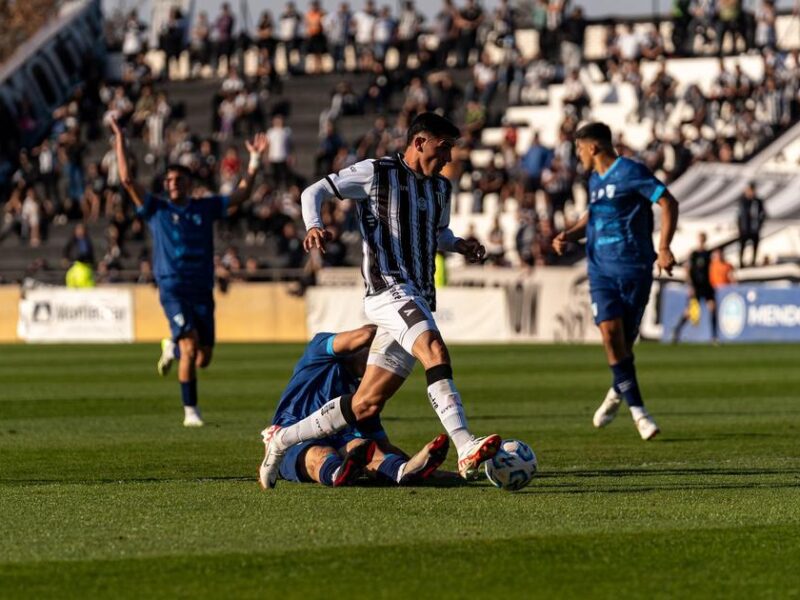
Morocco has established itself as the dominant African force at the 2026 FIFA World Cup in North America, continuing the trajectory that made the Atlas Lions the first African team to reach the semi-finals of a World Cup at the Qatar 2022 tournament, where Morocco’s 1-1 draw with Brazil in the group stage on June 13, 2026 demonstrated the Atlas Lions’ ability to compete at the highest level against the tournament’s top-ranked national team. The draw against Brazil – which featured Amine Adli and Saibari combining effectively in Morocco’s attacking play and Atlas goalkeeper Yassine Bounou making several crucial saves against Brazilian pressure – confirmed Morocco’s ambitions of a deep run in the 2026 tournament. Morocco’s squad combines its core of European-based professionals who drove the 2022 success – players who compete in the top leagues of France, Spain, England, and Germany – with a new generation of technically refined attackers who have come through the structured youth development programs that the Royal Moroccan Football Federation and club academies like those at Wydad Casablanca and Raja Casablanca have invested in since the 2022 tournament motivated a broader national football development ambition.
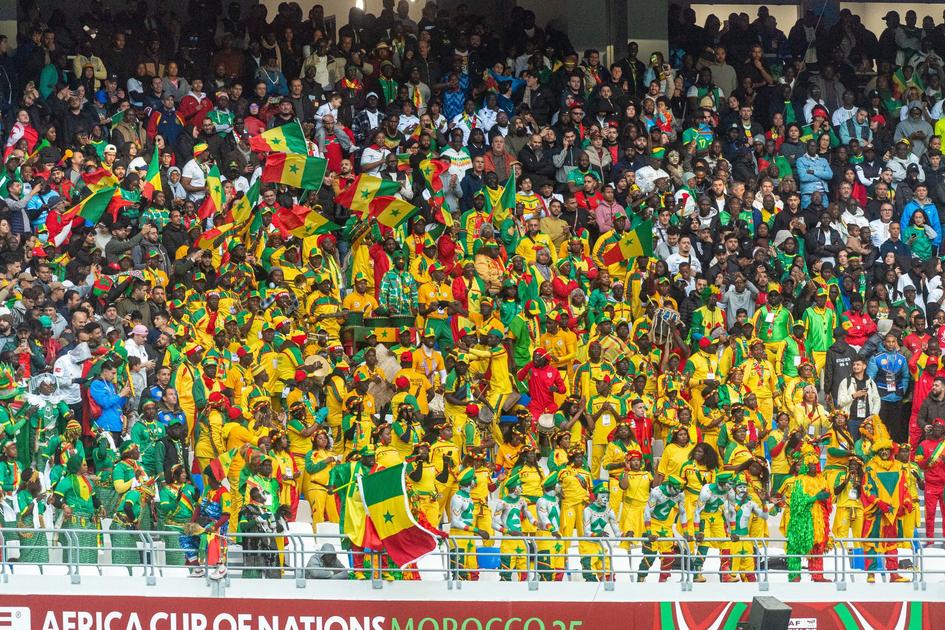
Morocco’s World Cup journey has been embraced as a source of pan-African pride in a way that transcends national boundaries, with supporters across the African continent identifying with the Atlas Lions as standard-bearers for African football at the global level. The 2022 semi-final run produced genuinely emotional scenes across North Africa and sub-Saharan Africa, with millions of people who are not Moroccan citizens celebrating Morocco’s victories over Spain and Portugal as African victories over former colonial powers – a narrative that has deep resonance across a continent where football is both the most popular sport and a vehicle for expressing national and continental identity in relation to the wider world. The 2026 World Cup, co-hosted by the United States, Mexico, and Canada, has provided African footballers with a global stage where their performances are watched by hundreds of millions of viewers across the continent. Senegal’s group stage campaign, Ghana’s participation, and the performances of individual African players who compete for European clubs have all contributed to a 2026 World Cup experience for African viewers that rivals any previous tournament. The opening ceremony’s inclusion of Burna Boy as the Nigerian Afrobeats superstar who performed alongside Shakira at Azteca Stadium symbolized Africa’s growing cultural presence at the world’s largest sporting event.

Trust Post Desk
A journalist and editor at TrustPost.org covering world and national news, technology updates and human-interest stories. They check every fact, interview sources in person or online, and aim to deliver clear, accurate reporting. Their work ranges from breaking news to in-depth features and daily newsletters. Outside the newsroom, they follow emerging trends and engage with readers on social media.